
#FMKwrites: Dr. Macák explores the history of digital games. Without early experiments, we wouldn't have any today
We are bringing you a series of articles about what publications our university teachers and doctoral students are working on. Originally a summer column, it also comes out during the academic year because science is always being done.
Dr. Miroslav Macák is currently working on his textbook History of Digital Games 1. The work covers the very beginning of the experimental phase to the end of the first console generation.
The textbook will be especially appreciated by freshmen and juniors: "This topic is often the most challenging for them because it is far from them. It is not something they encounter on a regular basis. That's why I'm even more concerned about the textbook and its sequels, since students have not been able to encounter these games in their lifetime."
It is also for this reason that Macák wants to focus on specific period plays in depth. In his opinion, it can be interesting for students to read and see in pictures what games from this period looked like.
The textbook is scheduled to be published next year, but it doesn't stop there. Macák plans to create a series of publications that would deal with the subject chronologically. "The console generations nicely delineate the different periods within the evolution of the games industry, and therefore digital games. That's why I would like to dedicate each textbook specifically to one console generation. We're currently in the ninth, so I think I have a lot to write about," he said.
From experimentation to commercialisation
According to Macák, the most interesting aspect of the whole subject covered in the first part of the textbook is the big change in approach: "At first it started out as technology experiments by fans. Then came the commercialisation to the first truly commercial console generation. Then there was a huge crash - digital games became hugely overvalued."
The emerging publication is also relevant in the context of contemporary digital games. After all, without the early experiments mentioned above, we wouldn't have any digital games today. However, revisiting titles from this period is not so easy, according to Macák, because they are already very outdated.
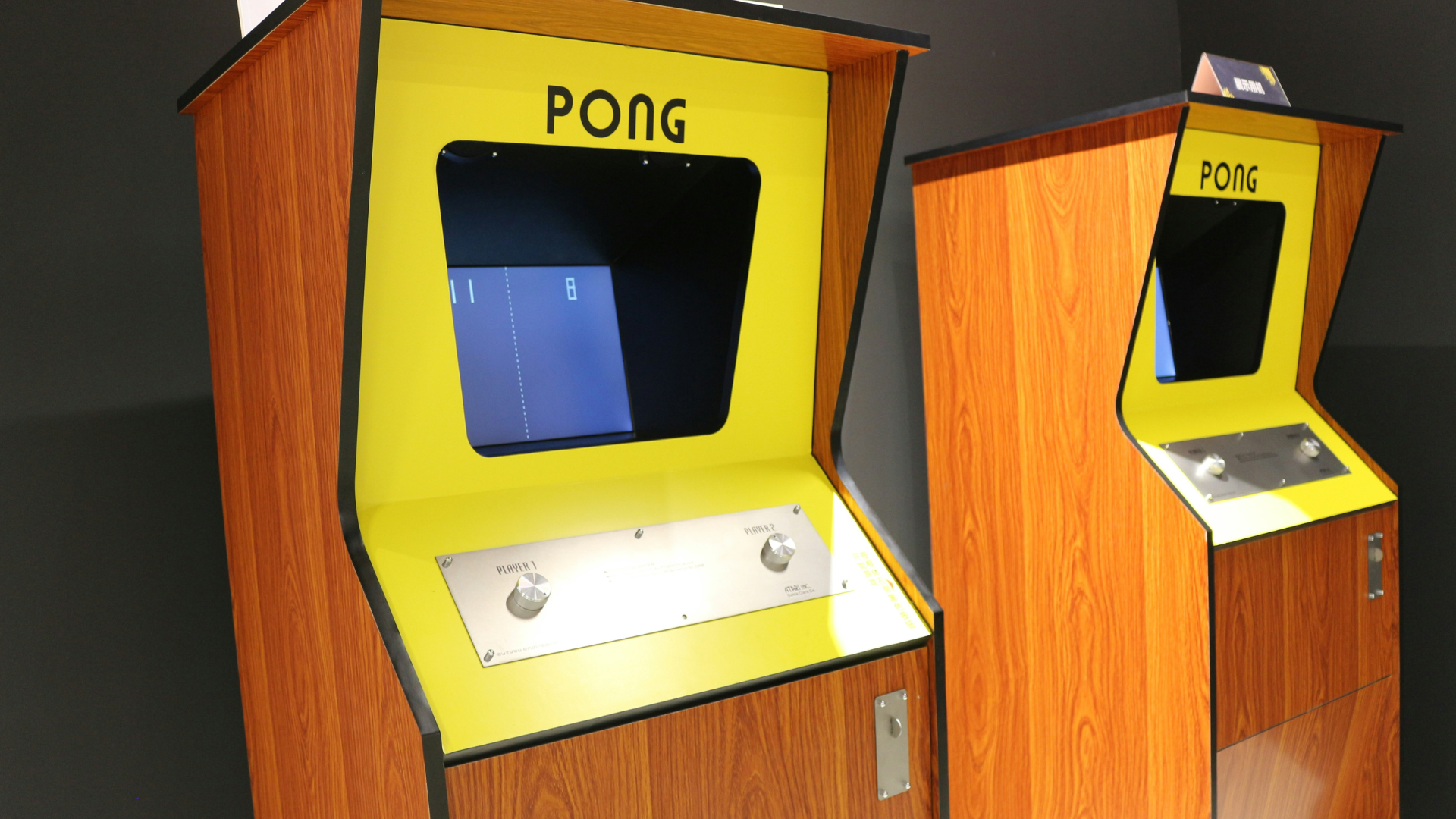
"Perhaps the only so-called ageless game from this period is Pong. But the other titles haven't really aged very well and aren't being re-released," he explained. However, he said it is interesting to look at the period in which the brands popular today were created.
Indeed, if we move into the third console generation, we come across well-known titles such as Super Mario and the first jumping games. "Here we are already discovering games that are being re-released today. Often in this case, people are nostalgic because they played these games when they were young. Now they want to try them again," Macák said.
Pokémon cards as a way to relax
As part of his publishing activities, Macák is also preparing a paper on this topic for the upcoming Marketing and Media Identity conference. In this text, he focuses on how the old games could ever be shown again to a contemporary audience. In the future, he would also like to discuss various Asian plays and trends in Asian media production.
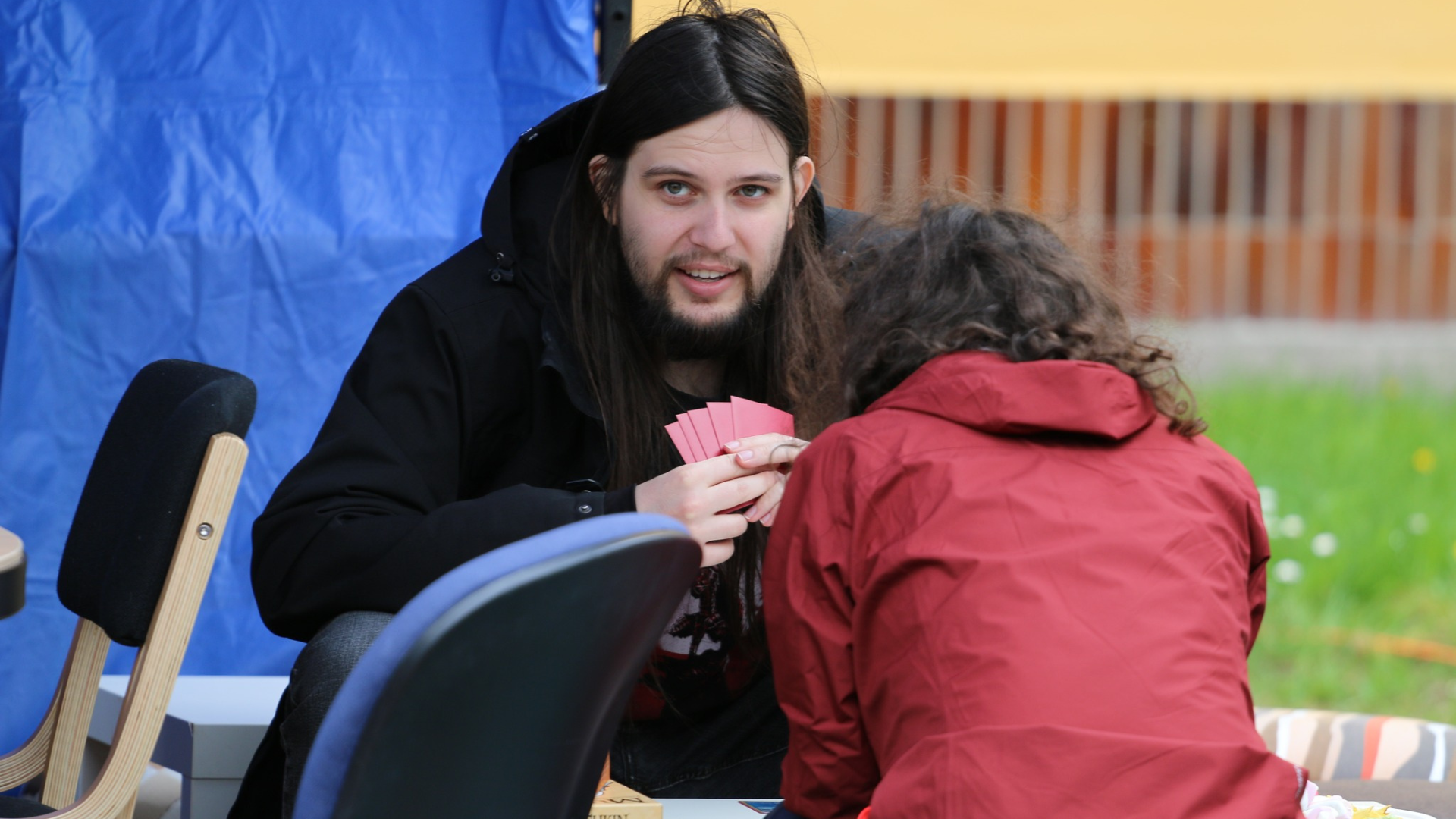
But alongside such writing and other duties, it is important to be mindful of psycho-hygiene. Although gaming is part of Macák's research, playing digital games is not the only activity he relaxes during. Instead, Pokémon cards help him.
"It's having a big boom at the moment. At least once every three months, I take my handful and go play. I can't say I'm doing very well somehow, but it's an activity for me where I'm away from the monitor, I can relax and get out among people at least a little bit," he described.
Retro digital and board games back on course
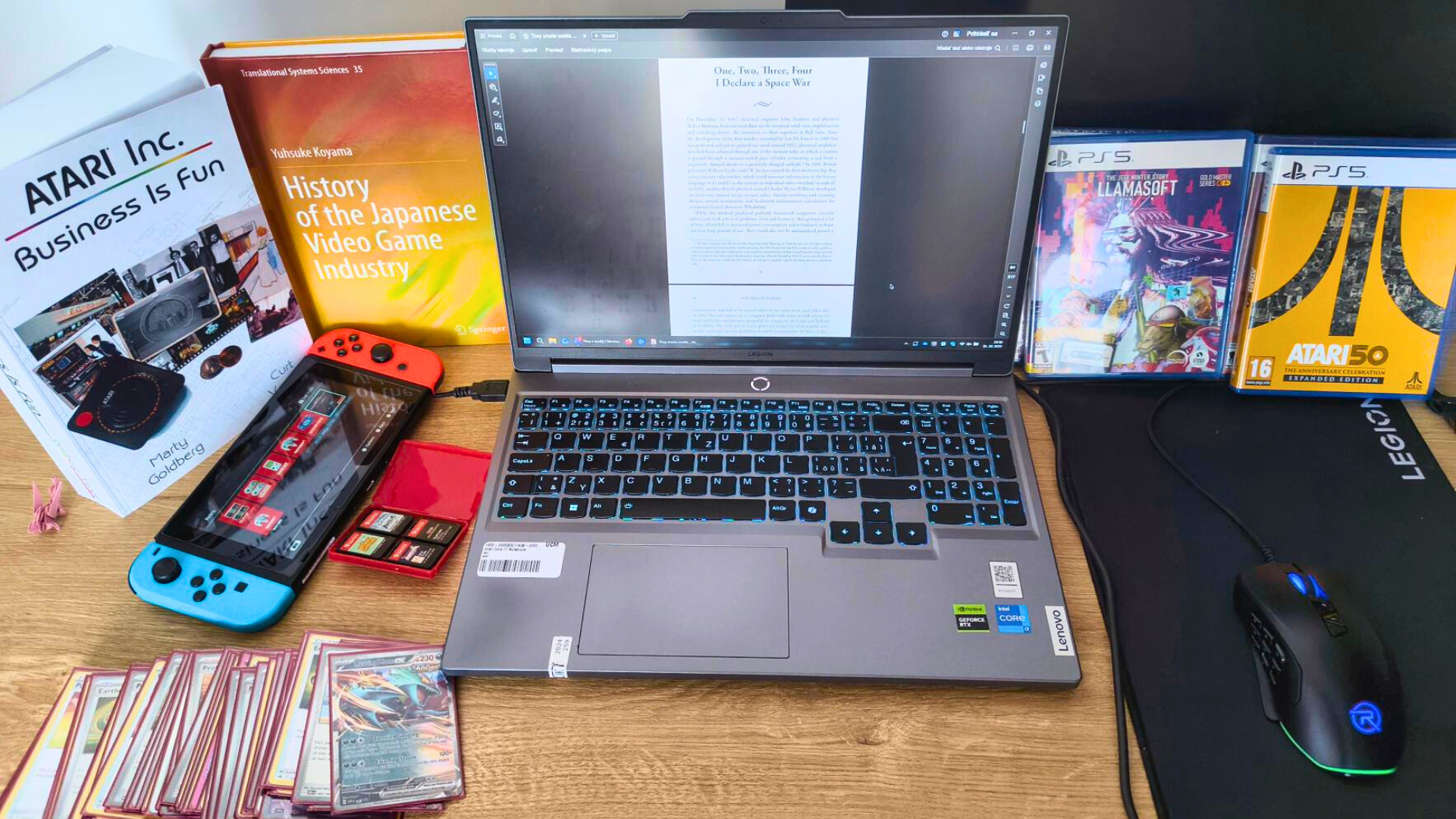
In the case of retro digital games, there are two reasons why they are experiencing a resurgence in popularity, according to Macák. The first is nostalgia: "Many people grew up with them and now want to return to their childhood experiences. They buy new versions of old games to remind themselves of the original feel and atmosphere. The second reason is curiosity - gamers who started with newer installments of well-known franchises often want to see how their favourite games were made and where their roots are."
Nostalgia, he says, doesn't just affect old titles, but also modern games, which today are often made in a retro pixel-art style. Even if they are not sequels to the original franchises, it is the visuals and the atmosphere of the "old days" that work very strongly on people.
For board and card games, the situation is a little different: "Although they have always been around, they have never had as strong a presence as they do today. For many years, collectible card games were seen as a hobby for 'geeks' or 'nerds'. But as society has learned to be more accepting of digital games, it has opened up to board and card games in a similar way."
At the same time, it is often an expensive hobby. "Many who played them in their childhood couldn't afford larger card collections or higher-quality gaming sets back then. Today, they are adults with their own incomes who are returning to these games and can finally indulge in what they once couldn't," Macák explained.
Photo source: archive M. M., Unsplash


