How can we prepare for jobs that don’t yet exist? The key lies in interdisciplinary collaboration
A discussion forum at the FMK UCM featured insights from industry experts on how to develop skills and prepare students for the changing job market.
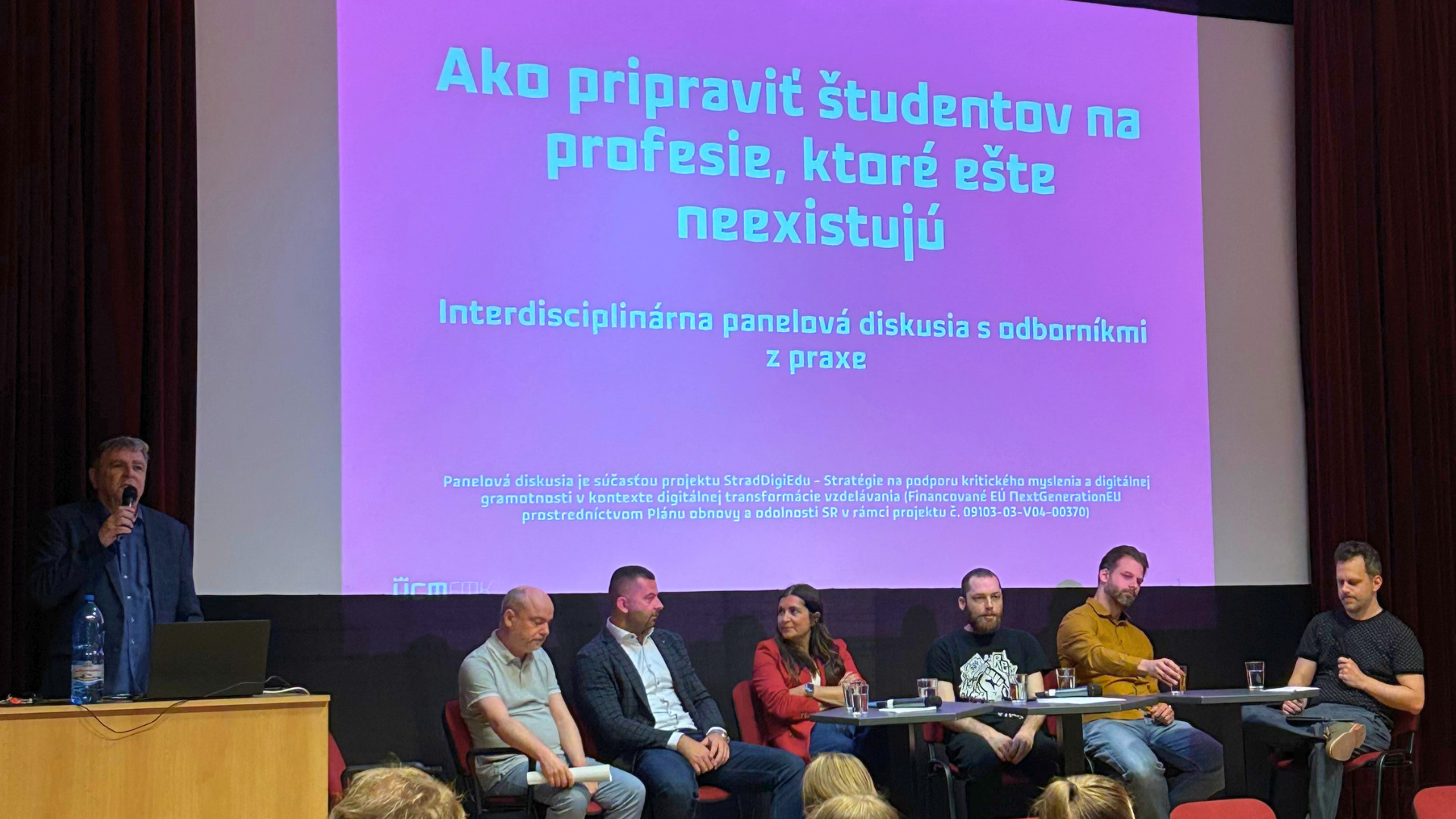
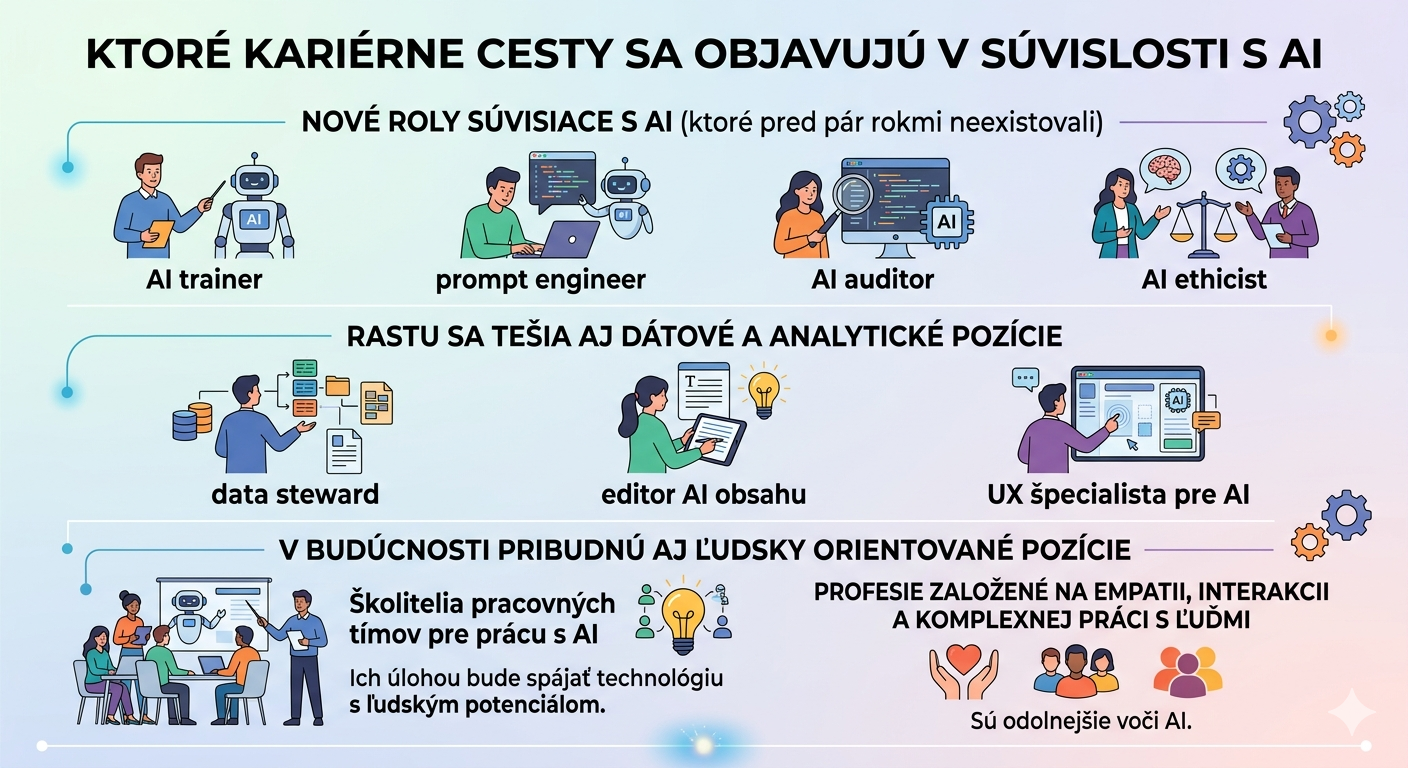
How can we prepare students for professions that don’t even have names yet? Experts from the field sought answers to this question during a discussion forum at the Faculty of Mass Media Communication at UCM in Trnava. The event, subtitled “Interdisciplinarity in the Context of the Digital Transformation of Education,” took place on April 15, 2026, at the OKO Cinema.
The discussion provided insight into how the world of work is changing under the influence of digital technologies and what role interdisciplinary collaboration plays in this transformation. The ability to combine expertise in media, technology, business, and human resources is coming to the forefront—precisely what the FMK UCM has long focused on.
Soft skills determine the future of your career
The aim of the event was to give young people a better understanding of the reality of the job market, where the boundaries between traditional professions are blurring and success depends on adaptability, creativity, and the ability to learn new things. The discussion also showed that preparation for future careers does not begin after school, but already during one’s studies—through the active development of skills and an openness to new challenges.
“We face the challenge of preparing the next generation for professions and new career paths that often don’t even have specific names yet. Soft skills are particularly crucial—the ability to adapt, be flexible, stay curious, and connect knowledge from different fields,” said Professor Norbert Vrabec, who co-hosted the event.
Master Martin Karlík, from the UCM Center for Knowledge and Technology Transfer, also highlighted the significance of these changes in education: “At a time when artificial intelligence and digital tools are fundamentally changing the way we work with information, it is essential to reevaluate traditional approaches to education and transcend disciplinary boundaries in the academic environment.”
Practitioners shared their practical experiences
Experts from various fields—ranging from technology and media to HR and innovation—accepted the invitation to participate in the panel discussion. Participants included Monika Viskupič (Regional Innovation and Development Agency in Trnava), Martin Hrabovec (Revolware), Maroš Žofčin (Živé.sk), Tibor Černák (PricewaterhouseCoopers Slovakia), and Adrián Potančok (.týždeň).
Together, they provided a comprehensive overview of current labor market needs and how students can build their careers in a dynamic environment. The discussion covered the use of artificial intelligence and digital innovations, as well as building a personal brand and a professional portfolio.
The event provided a platform for an inspiring dialogue between academia and the professional world. It is precisely this connection that is one of the key steps in preparing students for a future that is taking shape faster than ever before.
The panel discussion took place as part of the StradDigiEdu project—Strategies to Promote Critical Thinking and Digital Literacy in the Context of the Digital Transformation of Education (Funded by the EU’s NextGenerationEU through the Slovak Republic’s Recovery and Resilience Plan as part of Project No. 09103-03-V04-00370).
Photo source: Norbert Vrabec



Mohlo by vás tiež zaujímať: