Peter Lančarič: I feel as if all artists in Slovakia are underground
As part of the Projects Outside the Classroom series, we are introducing another pedagogue. This time, we are interviewing Peter Lančarič, who reveals that his artistic goals require nothing more than a little vision and courage.
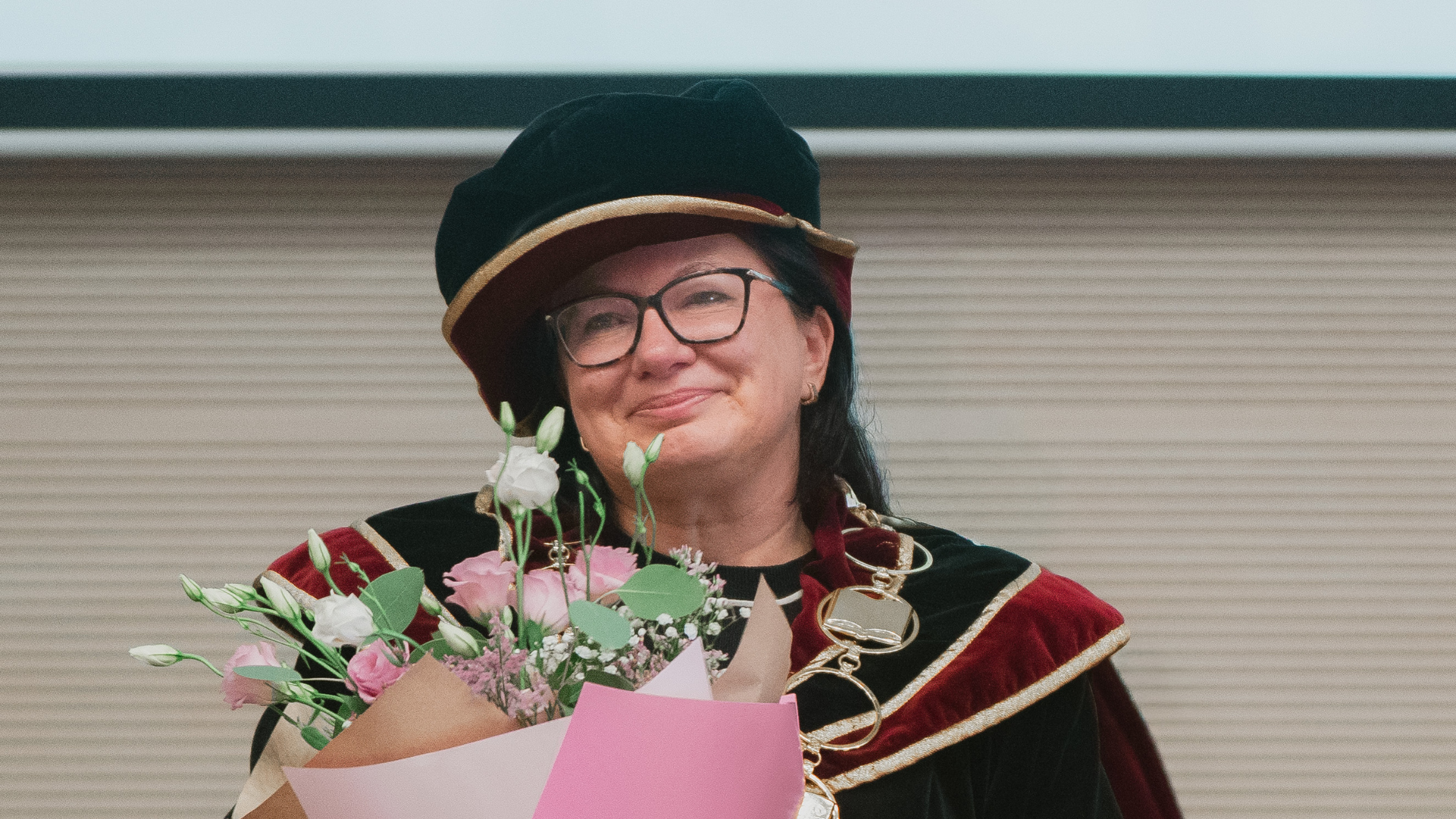
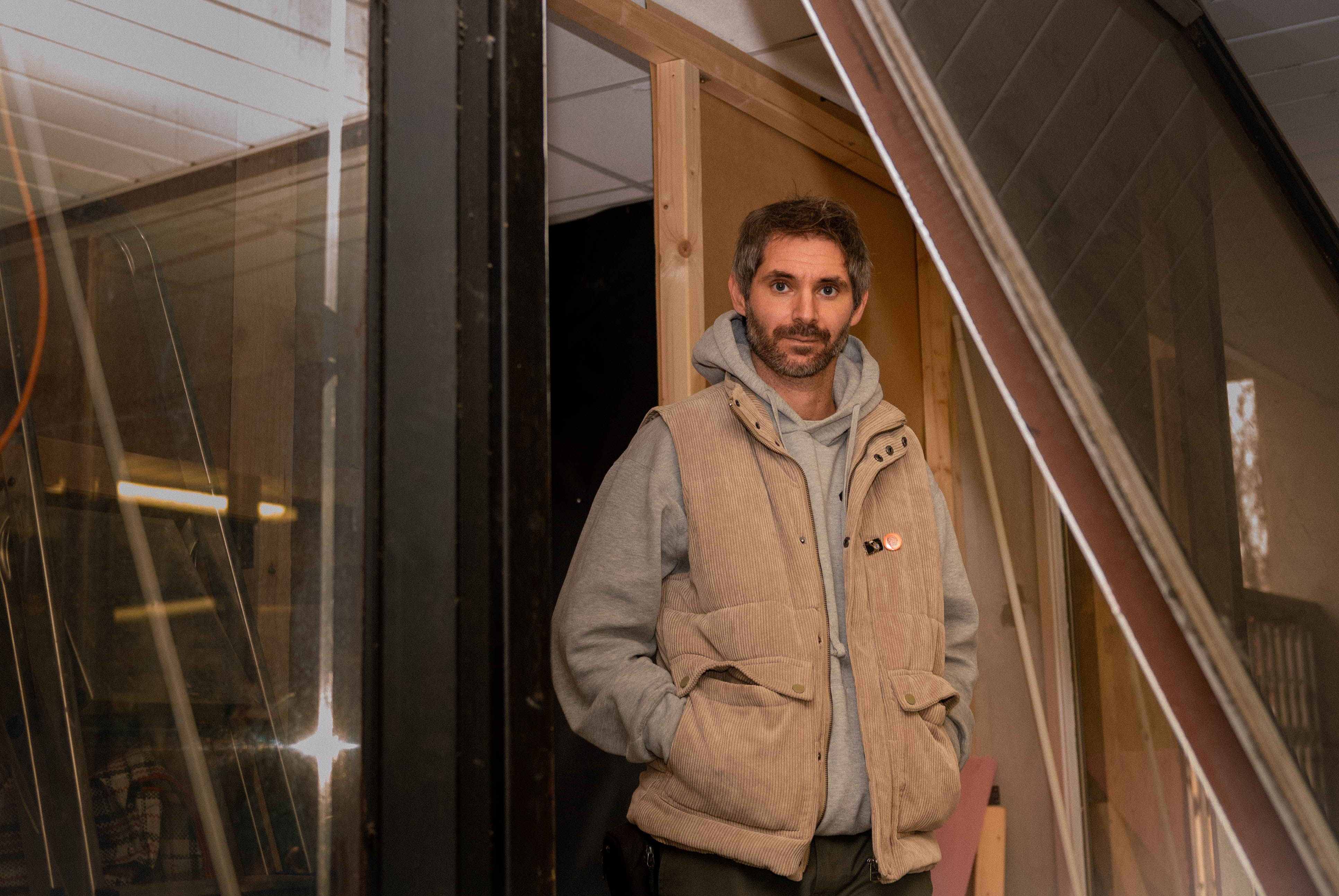
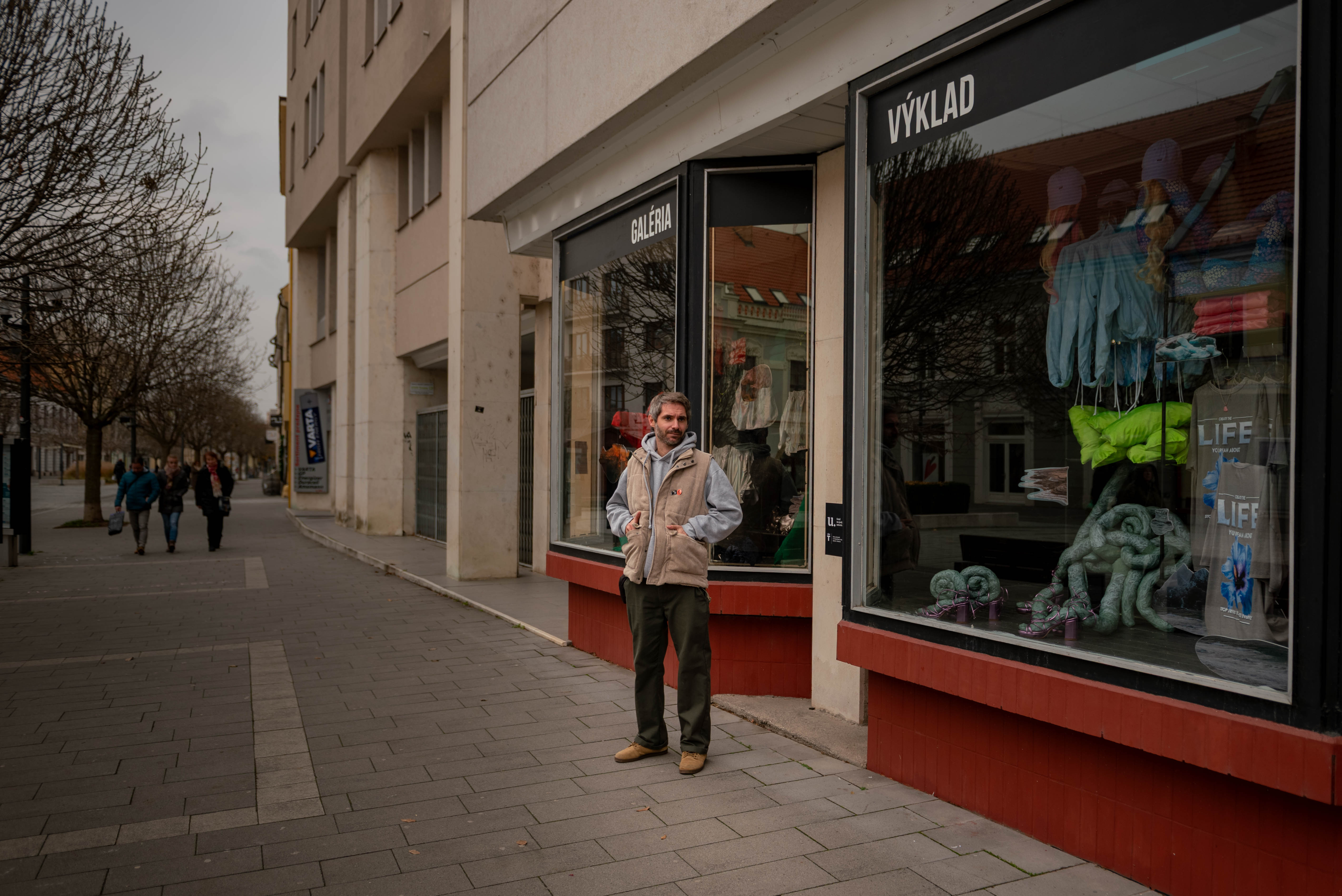
Dr. Peter Lančarič is a photographer and a native of Trnava who has been shaping the public space and culture of this city for several decades. He is the co-founder of the Kubik nápadov community center and the Výklad Gallery, the longest-running independent gallery in public space in Slovakia.
He works as an assistant at the Department of Art Communication at FMK UCM in Trnava. He teaches subjects such as commercial photography and advertising photography. In addition, he organizes various workshops for students and often acts as a curator.
In an interview for FMK, he discussed his approach to his own work, dreams, personal plans, and teaching. He touches on grassroots culture and offers insight into how books, ideas, and projects that change the city come about.
He is driven by his time in the forest and dream mapping
Where are you most often? Are you at school or at Kubik?
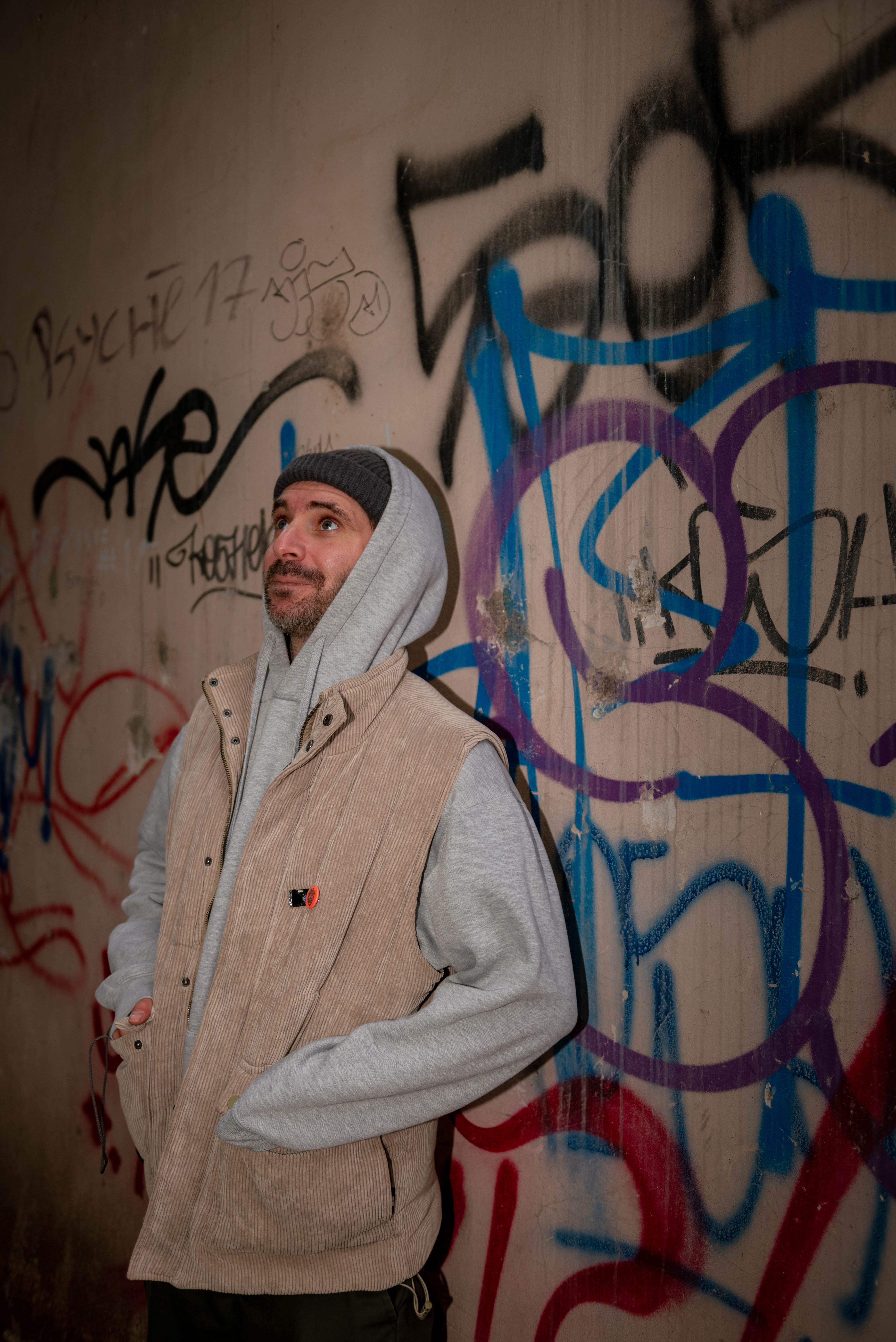
I am often in the woods. Lately, I just get out of the city, take my sleeping bag, tent, or just a shelter, and sleep outside. At the same time, I take pictures of the landscape. I would like to make a big book about the Little Carpathians.
How do you imagine this book?
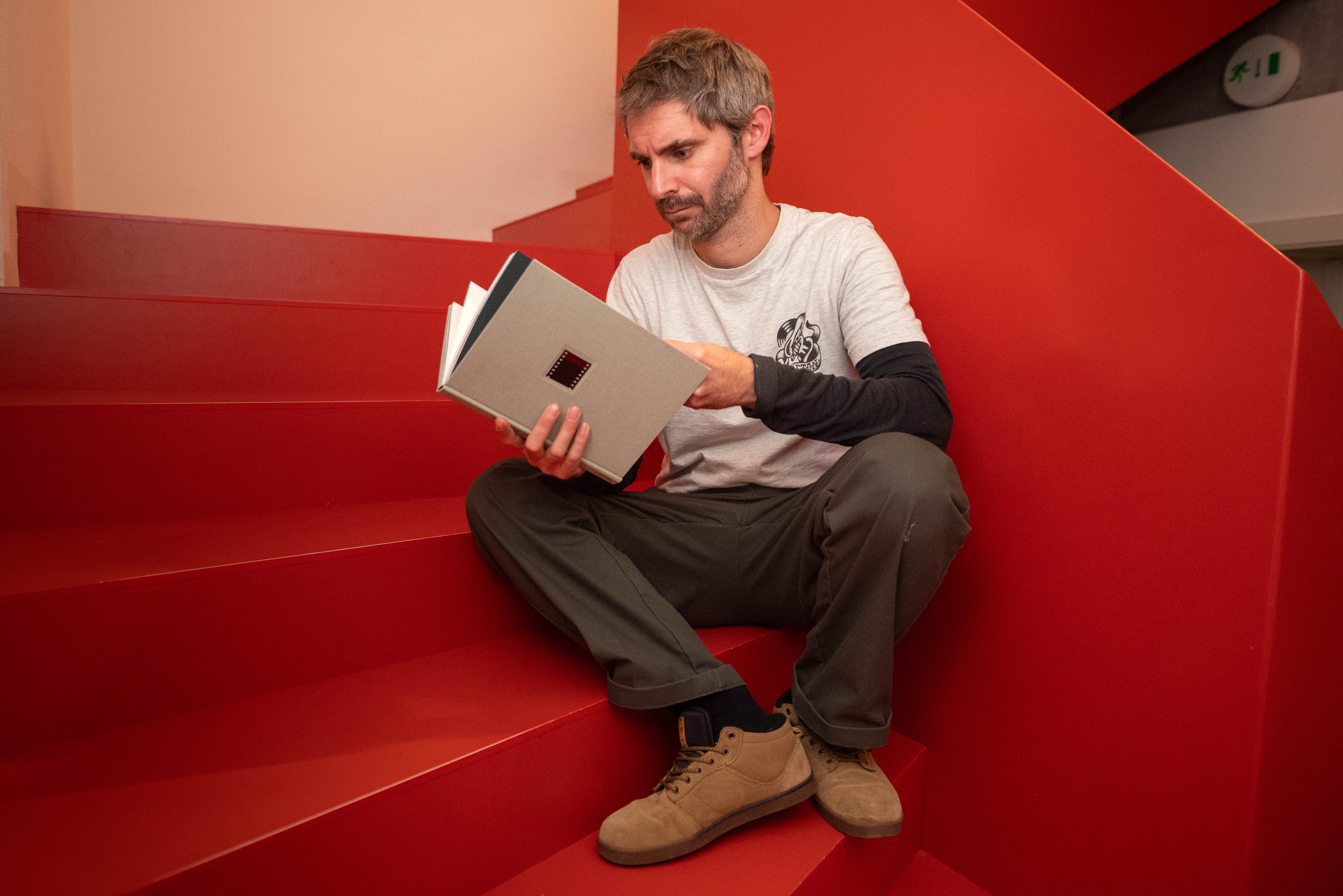
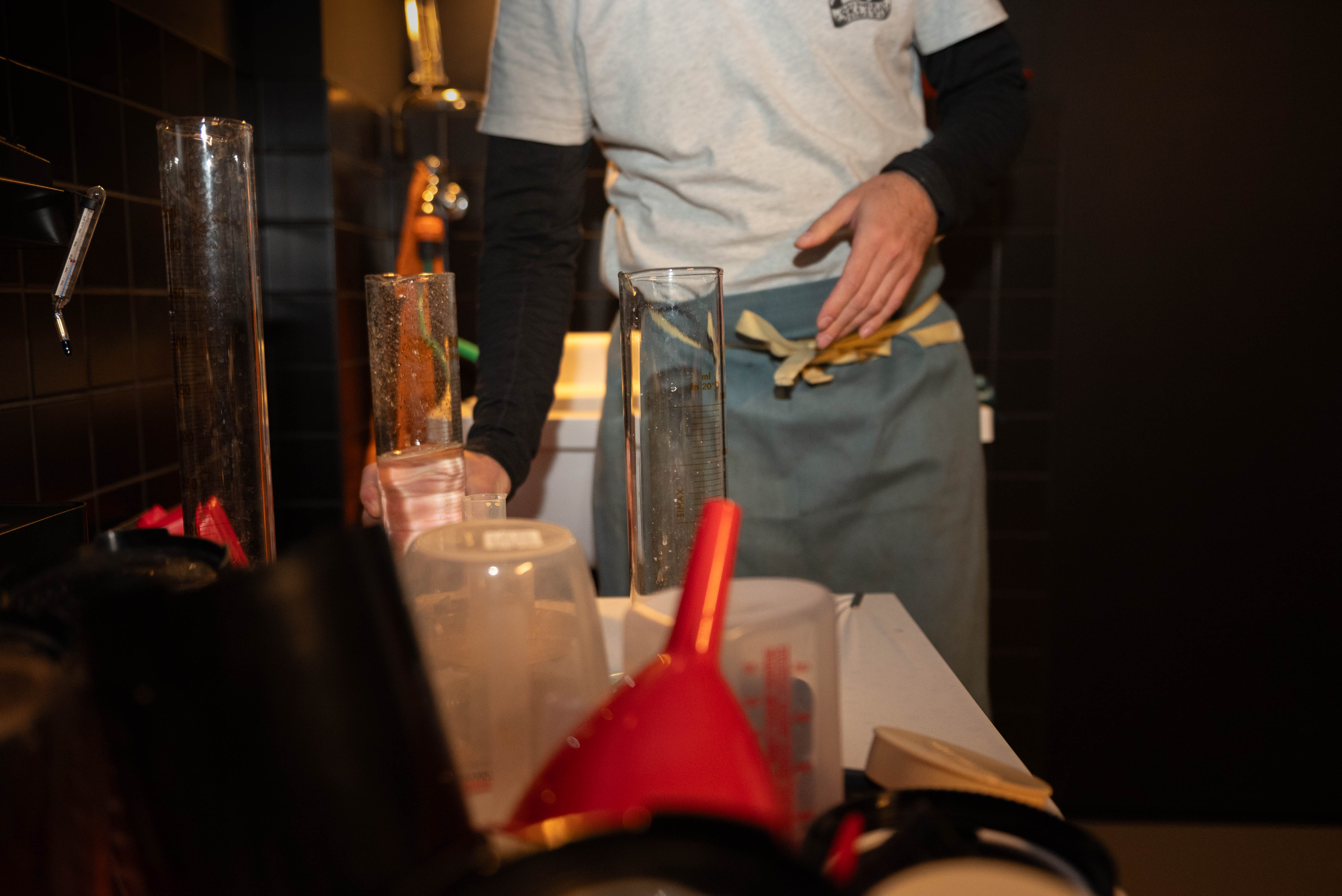
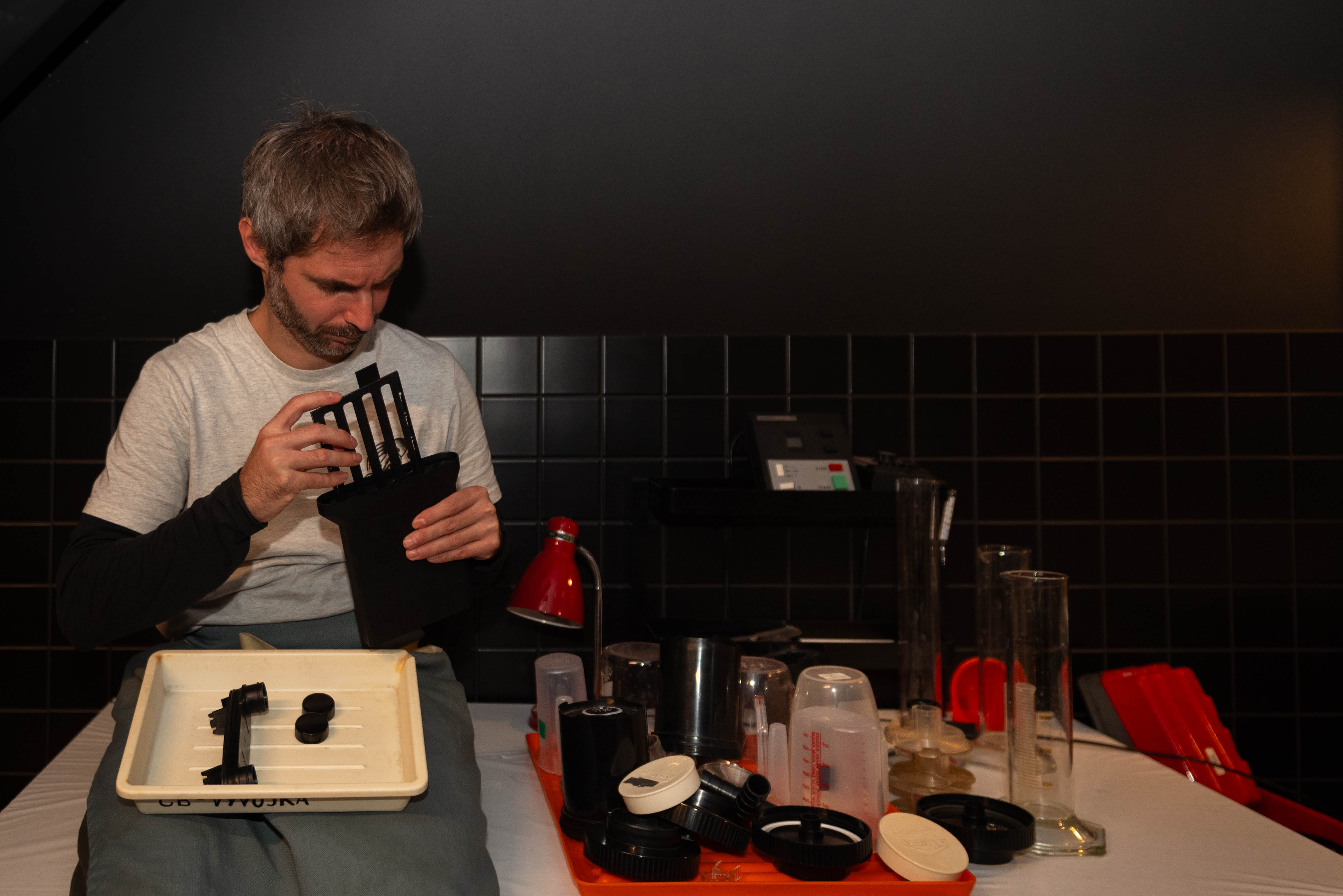
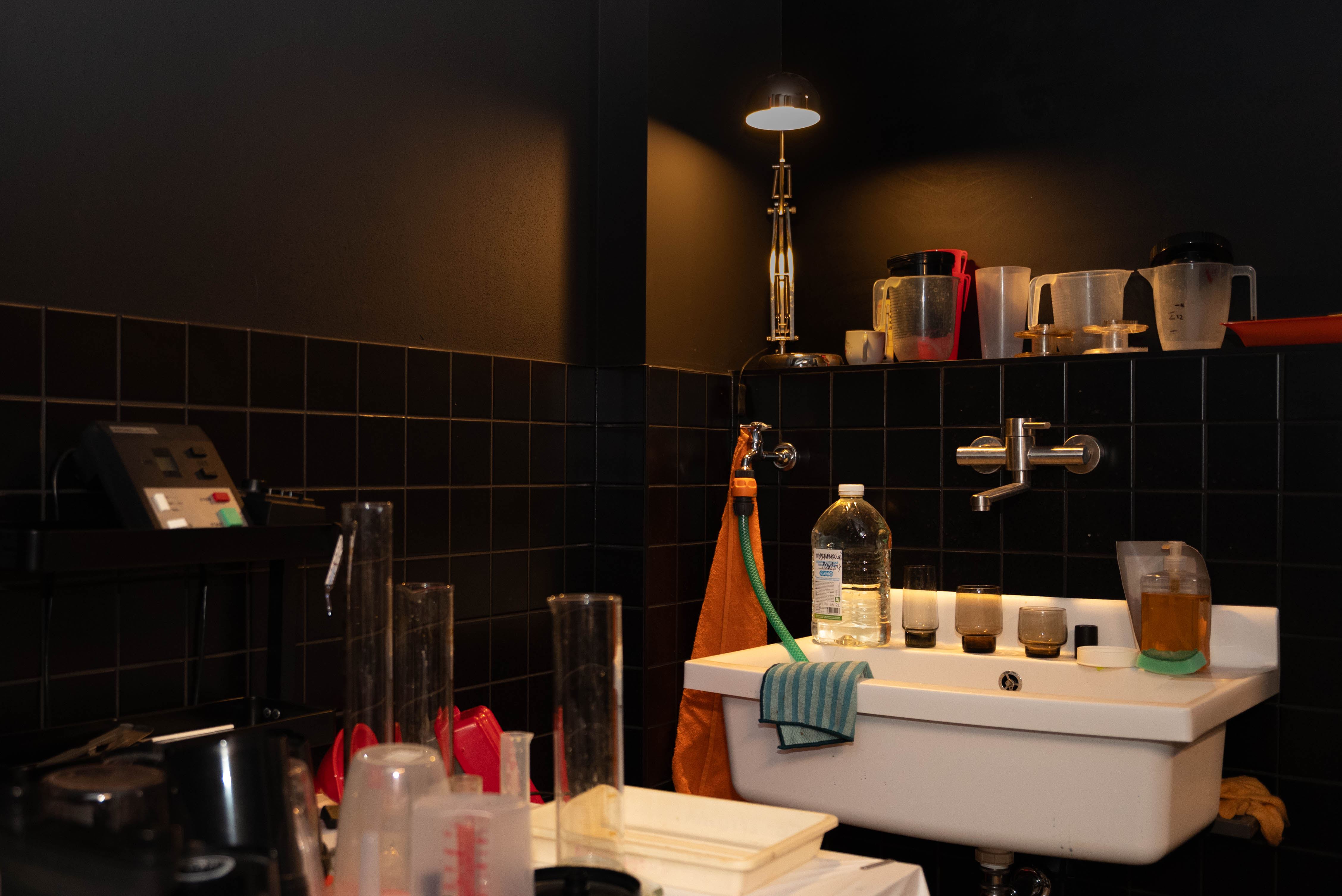
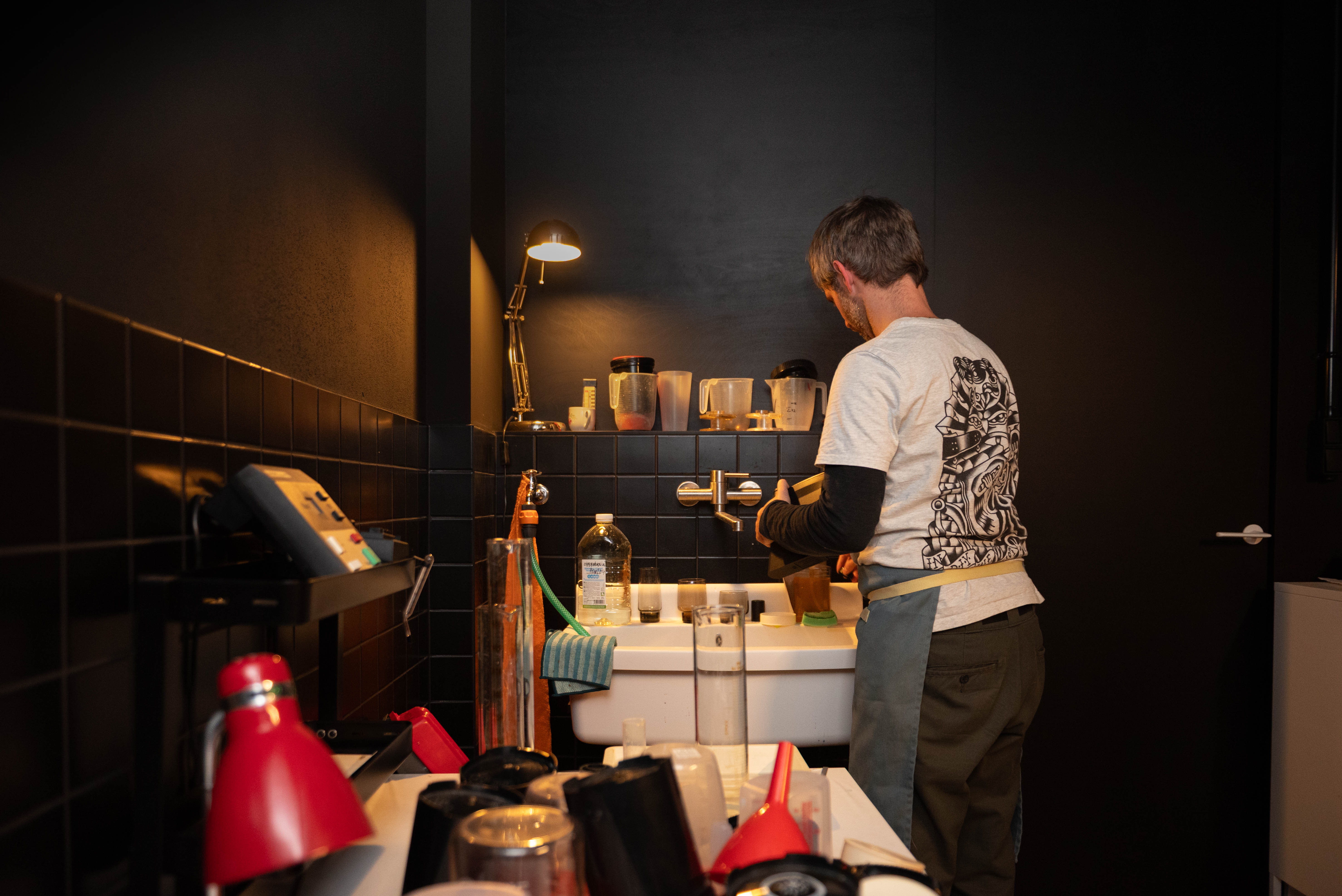
I want to make a lyrical book of black-and-white photographs taken with a large-format analog camera in the Little Carpathians. It's challenging—large format is expensive, and overall it's time-consuming to go to the forest for the weekend, then process everything in a darkroom and scan it.
Your book Ešte niečo alebo všetko (Something Else or Everything) was recently published. How did you select the photographs and what is the main idea behind the book?
It was a project that dragged on for a very long time. I worked on it with my friend, designer David Šimo. We started it several times and postponed it several times, but at the end of last year we finally published it. The book consists of my analog photographs and diary entries. It was created during a period of intense identity crisis and my partner's health problems.
I took small snapshots and wrote down many feelings and experiences. For a long time, I didn't want to return to it; it was an unpleasant period. Only now has the time come to return to those photographs and texts. The book is very personal, intimate, and authentic—I don't hide anything. It's a journey back, but at the same time, it's the imaginary conclusion of one stage.
You have a lot of projects. When do you even find time to write your diary?
I don't write it regularly, but rather when I feel like it. At the moment, I mainly keep a dream diary—I write down my dreams when they are vivid or when I remember them.
Will it also be turned into a book?
Maybe yes. I am photographing a new project with the working title R.E.M. frame. I stage and photograph some dreams or moments from them – it is a way of listening to my subconscious and processing what is suppressed through images. Some of the photographs have already been exhibited. I am also planning a short film inspired by dreams.
Who will you be making the film with?
Mainly by myself. Maybe my friend Anastasia Mishina will help me with editing and filming. My partner Martina Chudá, who is an artist, can help with the scenes and sets. I would be in the position of director – so far I have nothing but a little vision and courage.
What will the film be about?
The theme, unless I change it, will be anima – female energy in dreams, a certain female position that appears in my dreams. So far, it's just a concept.

His key motive is self-reflection, but also feminine energy
What is characteristic of your work?
The basic theme of my work is self-reflection, experience, changes in identity, relationships. I focus mainly on my own life, but I try to generalize the themes to a certain extent so that they can be relatable to others.
In addition to these autobiographical features, I also devote myself to socially engaged projects, such as "punk" interventions in public space, but also mapping skateboard subculture and various reports.
Was the difficult period you describe in your book Ešte niečo alebo všetko (Something Else or Everything) a turning point in your work?
Not entirely. Sometimes, in difficult times, the photos turn out well, other times poorly. Other times, it's a good period and the photos turn out well, other times poorly. At that time, photography, but also writing, was more a form of self-therapy than purposeful creation.
Do you have any projects or photos that are closest to your heart?
It changes. Sometimes I find a photo a year later when I develop the film, and only then do I like it. I like the book Ešte niečo alebo všetko (Something Else or Everything), as well as the current project with dreams. I also like various projects and socially engaged events—for example, the Výstavu na hajzli (Exhibition in the Toilet) or the Špeciálnu pietnu operáciu (Special Memorial Operation), when we temporarily covered a statue in a public space.
Výstava na hajzli? Where was it?
At City Arena during its opening. I was upset by how quickly it was built in the city center and who financed it. So I organized an illegal exhibition in the restrooms—a happening—during the official opening of the shopping center. It was a critique of consumerism from within. The photographs hung above the urinals, and there was a "vernissage." The point was that if influential people in Slovakia can do whatever they want, then I can do the same. Výstavu na hajzli.
Skateboarding shaped his photography career
You completed your bachelor's degree at the Institute of Creative Photography (ITF) in Opava, and your work focused on skateboarding, correct?
Yes. The school works in such a way that you have to create a separate theoretical and practical work. As part of the theoretical part, I created a book about Slovak skateboard photography. I analyzed the skateboard magazine Boardlife, which was the first and last of its kind in our country. I examined its significance for the subculture and interviewed three generations of Slovak skate photographers. I also focused on the history of skateboarding in Czechoslovakia—for example, how skateboarding got here through films, including Neberte nám princeznú (Don't Take Our Princess), which had a surprisingly strong skate scene.
And the practical part?
The practical part consisted of photographs of dreams. I am continuing in Opava, where I want to develop the theme of dreams in the artistic part, and in the theoretical part I would like to create a portrait, a historical monograph of a photographer who has not yet been covered.
Did skateboarding also shape you as a photographer?
Definitely yes. I still love skateboarding, even though I can no longer do tricks after injuring my shoulder, just riding. Paradoxically, the period after my injury overlaps with the book Ešte niečo alebo všetko . Without skateboarding, I might not even be taking photos.
I wasn't the type who wanted to be a photographer since childhood – I was a skateboarder. I wasn't particularly skilled, unlike some of my friends, but I enjoyed watching skate videos, and that led me to the camera and later to photography. It had a profound influence on me. I also try to incorporate skateboarding into my photography in some way. That's why I'm excited to have been able to work on the topic of Slovak skateboarding photography. It was my dream to bring this topic into the academic sphere.
What did studying in the Czech Republic give you?
Opava got me moving again. I dealt with it because I was burned out, I was groping around, doing difficult things. And then my friend Ľubo Hajdučík called me to try it at ITF. They took us on right away. There I found new inspiration. The ITF is home to the best Czech photographers, so I got to know other artists. Today, I can connect Opava with our school in Trnava, which is a big plus for me. And I met some great people there.
Art in Slovakia does not receive much support
What are the biggest challenges in teaching art subjects?
The biggest challenge is to set up the system so that students grow gradually. At our school, photography is only taught in the second year, and students who don't know how to set up a camera come to advertising photography. Then we waste time on the basics.
The second challenge is an individual approach – I help those who are technically weaker to improve their technical skills. But primarily, I try to develop their creative thinking so that they look at creation differently. Although we are not just an art school, we have a lot of art. Students can study photography for four years (five for those who attend from the first year "for free" without credits), and some even have two studios. They can develop in this direction for a large part of their studies.
I don't want them to be mediocre and just create Instagram kitsch. I run a studio for commercial photography, so I also pay attention to craftsmanship—many photographers make trivial technical mistakes. I want students to think creatively, but at the same time take high-quality photographs.
What is the potential of your students?
I have been teaching for eight years and many graduates are now professional photographers – event, reportage, advertising, or product photographers. Some use it as a complementary skill in marketing. And the third group are those who simply enjoy it, even if they don't want to be professionals. That's perfectly fine too. It's so pure, so pleasant.
You mentioned mediocre photographers. I see a connection here with various other industries – high-quality, valuable content doesn't get as many views, clicks, or likes as something bizarre. Is high-quality photography often overlooked in favor of "light" Instagram images?
Yes. Superficial visuality and superficial beauty work. More demanding projects don't have the same impact, which is a shame. Of course, there are artists who produce high-quality work and are famous, but they are often foreign artists. In Slovakia, I feel like we are all underground artists.
Why?
Art does not receive much support here. Musicians do, but visual artists much less so. For example, photographer Zuzka Pustaiová represents Slovakia around the world, but this receives almost no coverage in the media. And yet it means a great deal to us as a community of photographers.
Why do you think it doesn't work that way in Slovakia?
I don't know. If we were in a town in the Czech Republic similar to Trnava and asked random people if they knew any photographers, they would name them. But here on the square in Trnava, people would have a hard time naming even one. It's also about how the Slovak nation approaches personalities who create cultural and social values. In the Czech Republic or Hungary, they value their authors more than we do. Even Czech schools study Slovak photography more than Slovak schools do.
In Trnava, they always create what they lack themselves
You co-founded Kubik and Galéria výklad. What makes them unique?
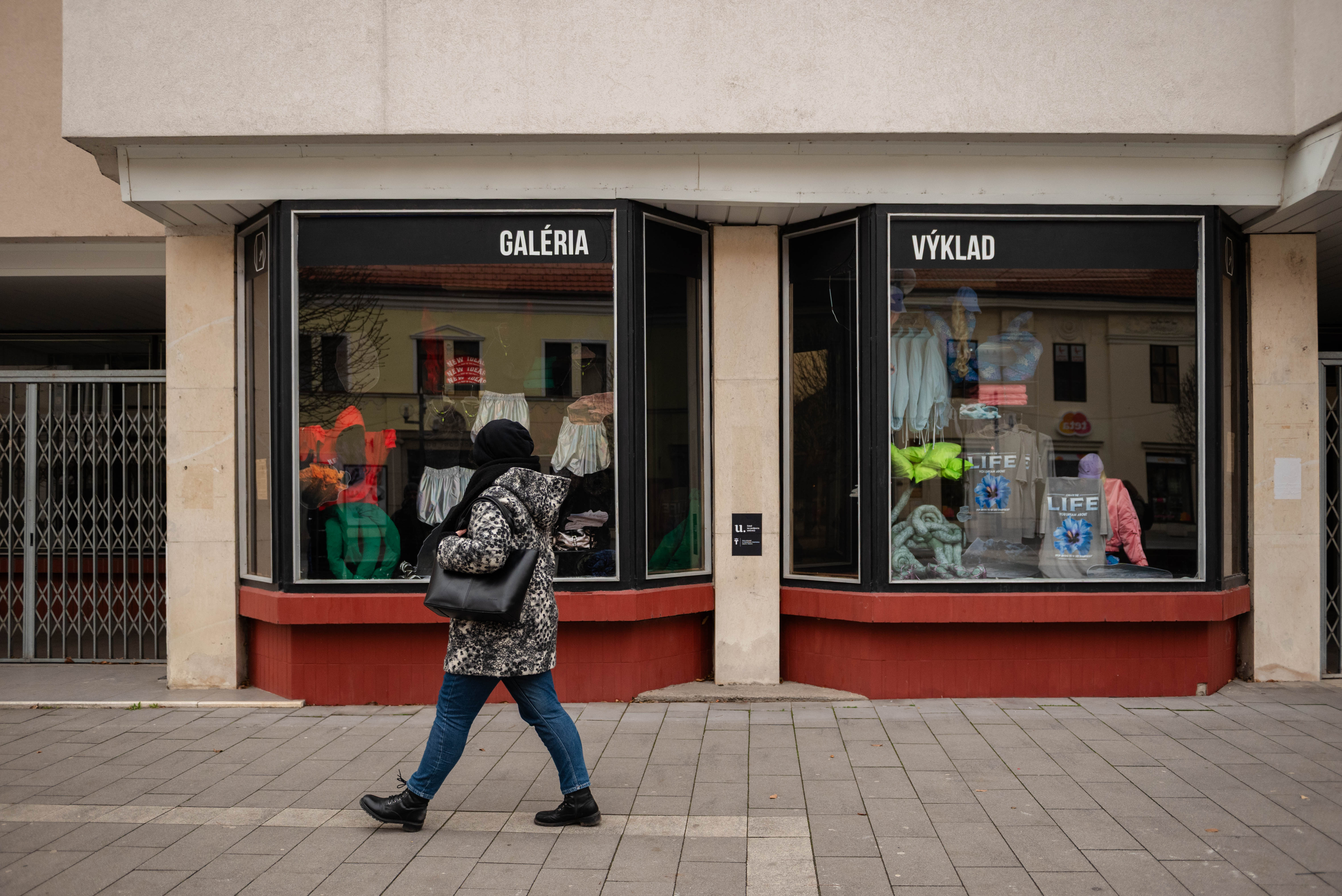
Matúš Hlinčík and I founded Kubik around 2012. We wanted a space where we could create, meet, and relax without having to sit around in a pub. Our vision was simple: we would create what we felt was missing. It was the same with Galéria výklad – there was no independent gallery for young and contemporary art for experienced and emerging artists, so we created one.
Nice sentence: "We created what we were missing."
That's our core. Skateparks are created in a similar way – there weren't any, so our friend Rudko Rokošný, Braňo Moravčík, and a group of friends started building them. It's grassroots culture. We simply make what we're missing. And we don't wait for anyone.
What are your plans for Kubik and the Galéria výklad?
I am still part of Kubik and Galerie Výklad, but I don't want to deal with organizational matters anymore. Matúš is a great manager, we have community manager Rudko Rokošný and other people like Kočo, Alicka, and lots of friends who do a lot for the group and the public. Kubik functions organically; it's not about the founders. It's a living community.
The common plan is to make Kubik immortal. In recent years, the gallery has been operating mainly thanks to Martina Chudá. I want to focus on teaching and creating – books, photography, stays in the forest. I don't enjoy administration, grants, and contracts. The Galéria výklad will celebrate its tenth anniversary next year, so I would like to publish a large summary book of all the exhibitions.
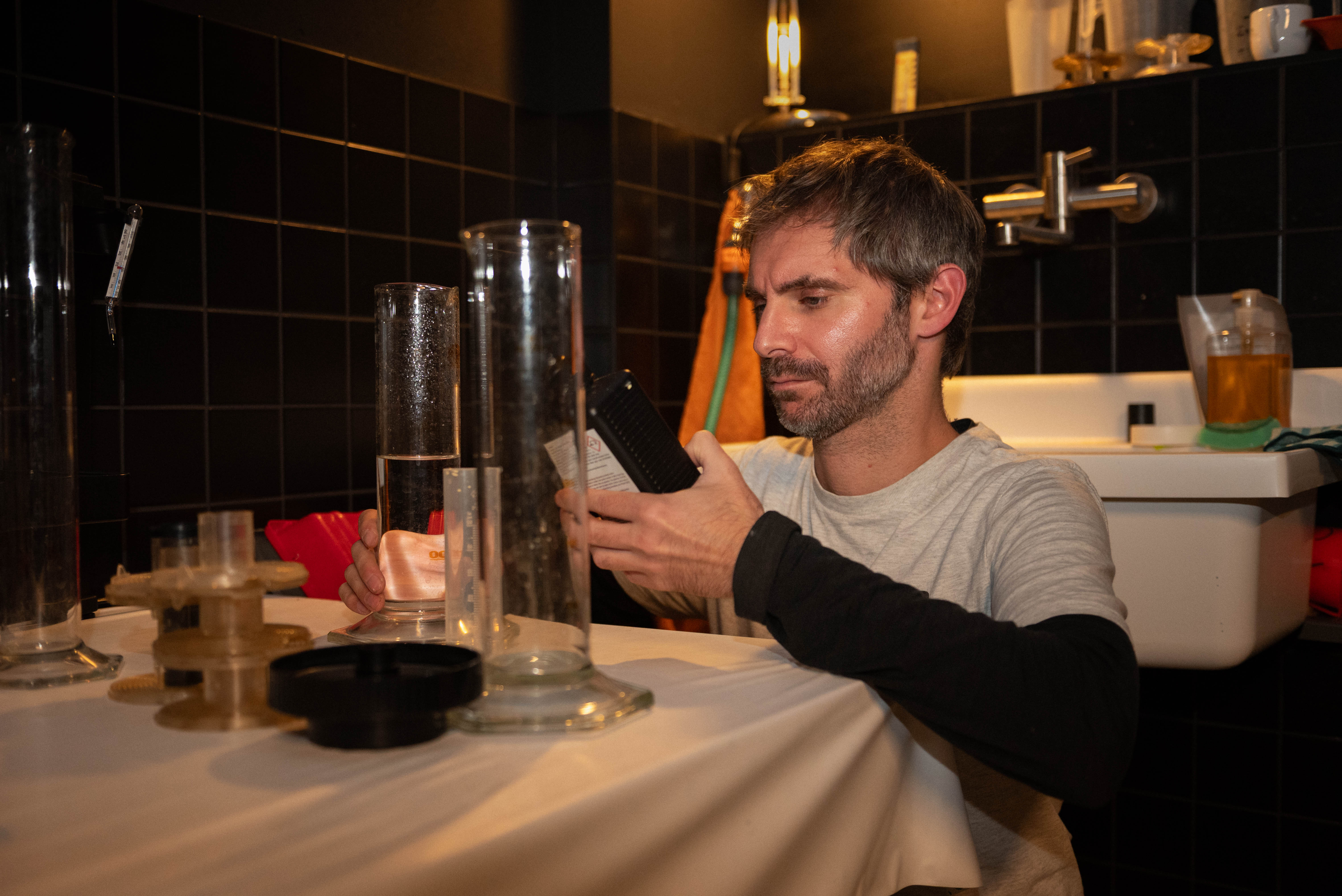

What makes Trnava unique?
Trnava is unique in that Kubik existed and shaped the urban environment even before the change in city leadership. We showed that things can be done from the bottom up—the market, flea markets, skate events, the Gallery Window. We are shaping our city, working with public space. I think we have motivated many people to believe that culture can be done without money.
Is there a project you dream about, but haven't had time for yet?
I would like to make the aforementioned book with photos from the Little Carpathians. I also want to create a punk book about Trnava – not historical, but lively, street-based. Most books about Trnava are historical. And finally, my very personal dream: to be healthy, have a family, function normally, without stress, and do what I want, when I want.
Source of photos: Ivana Galat


Mohlo by vás tiež zaujímať: