FMK entered the Berlinale and opened a dialogue with the film world
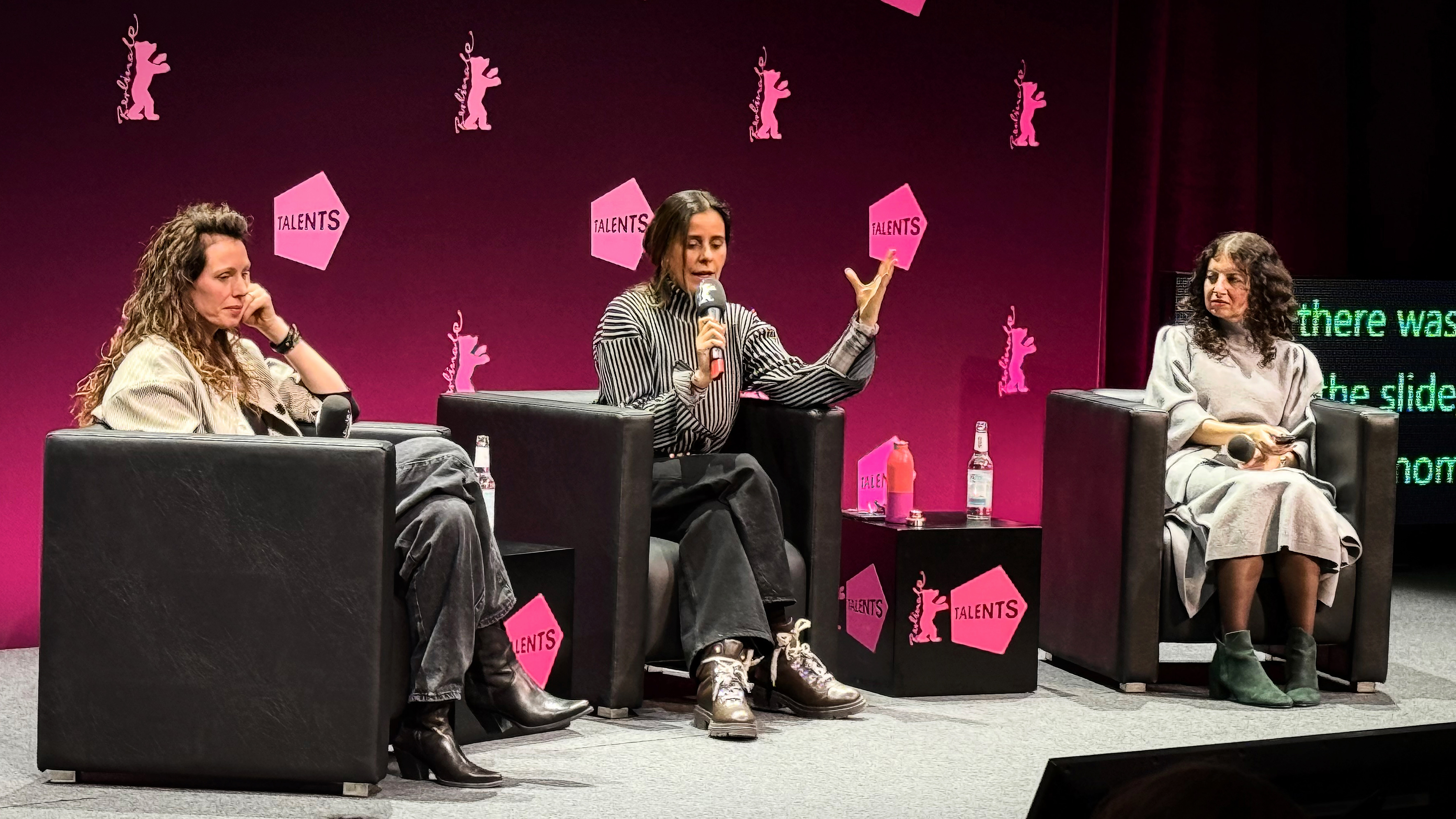
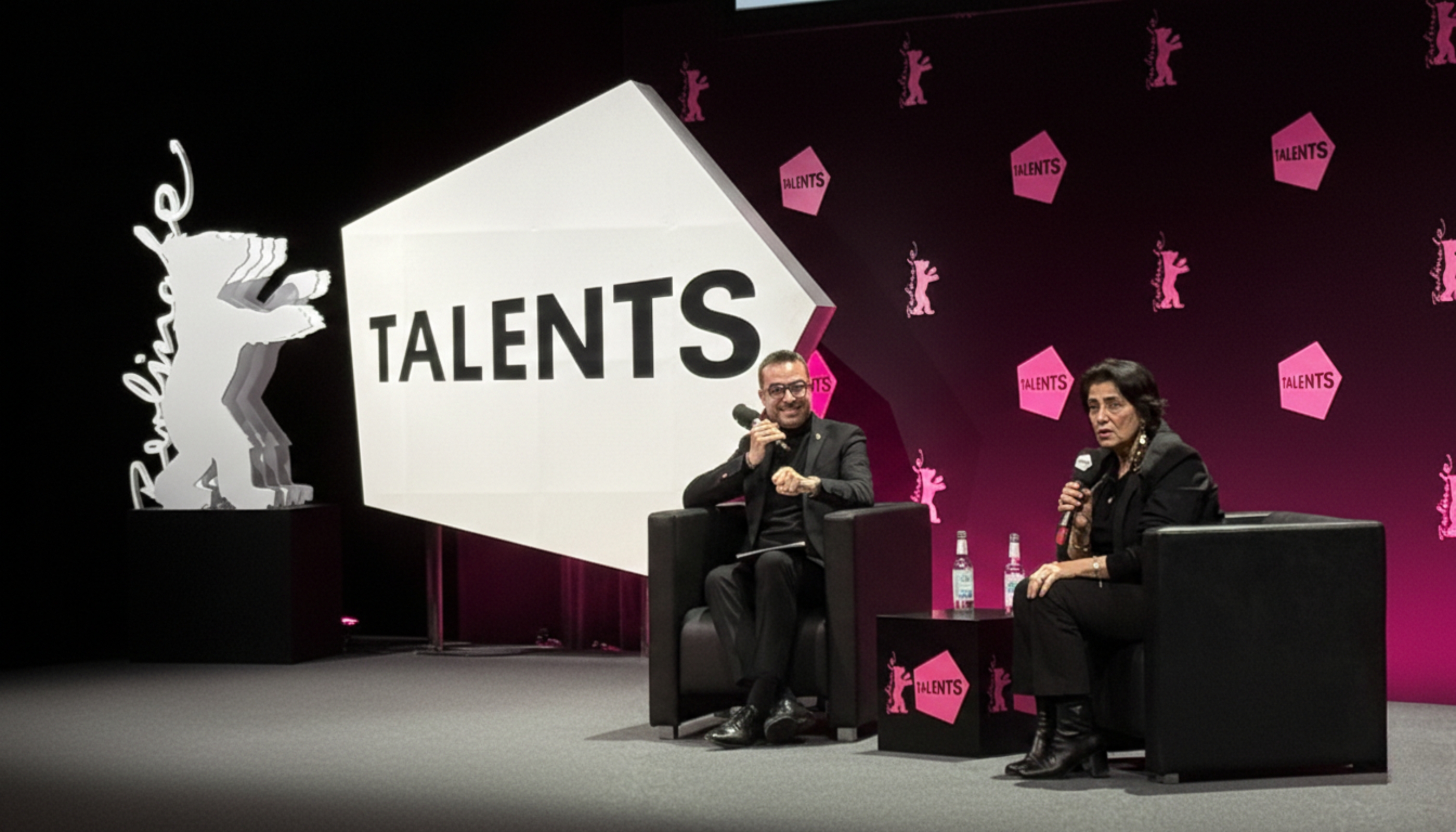
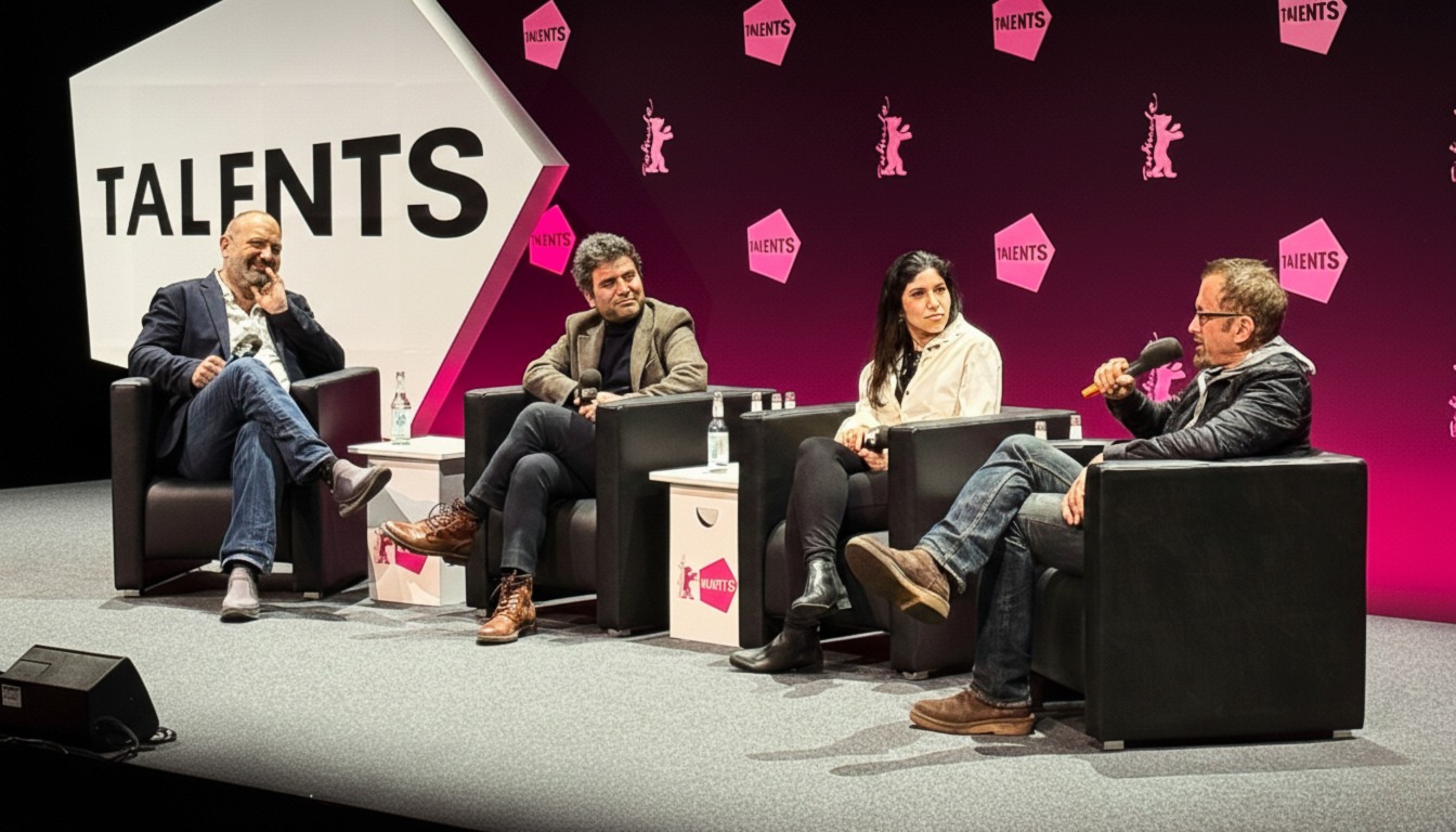
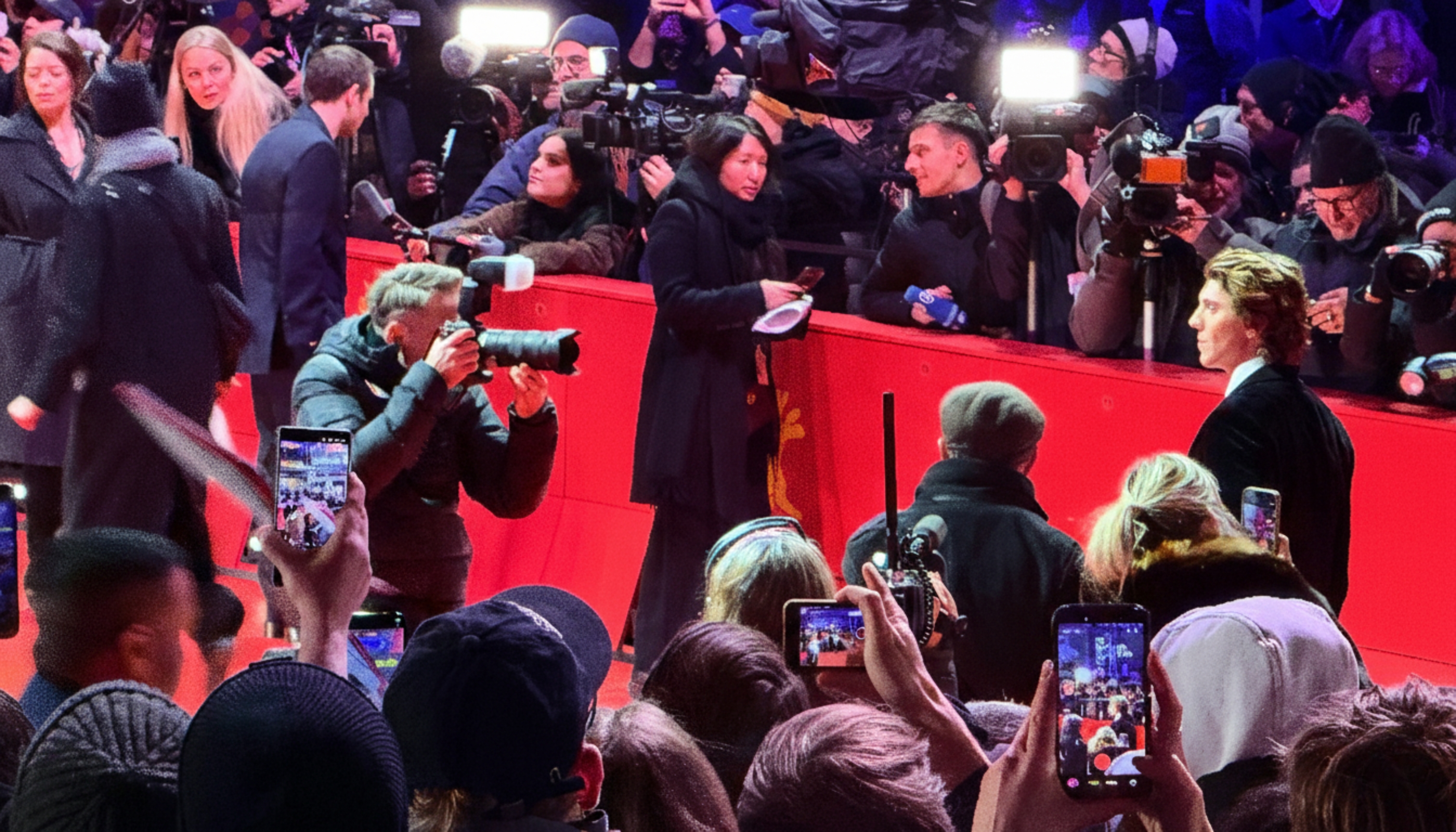
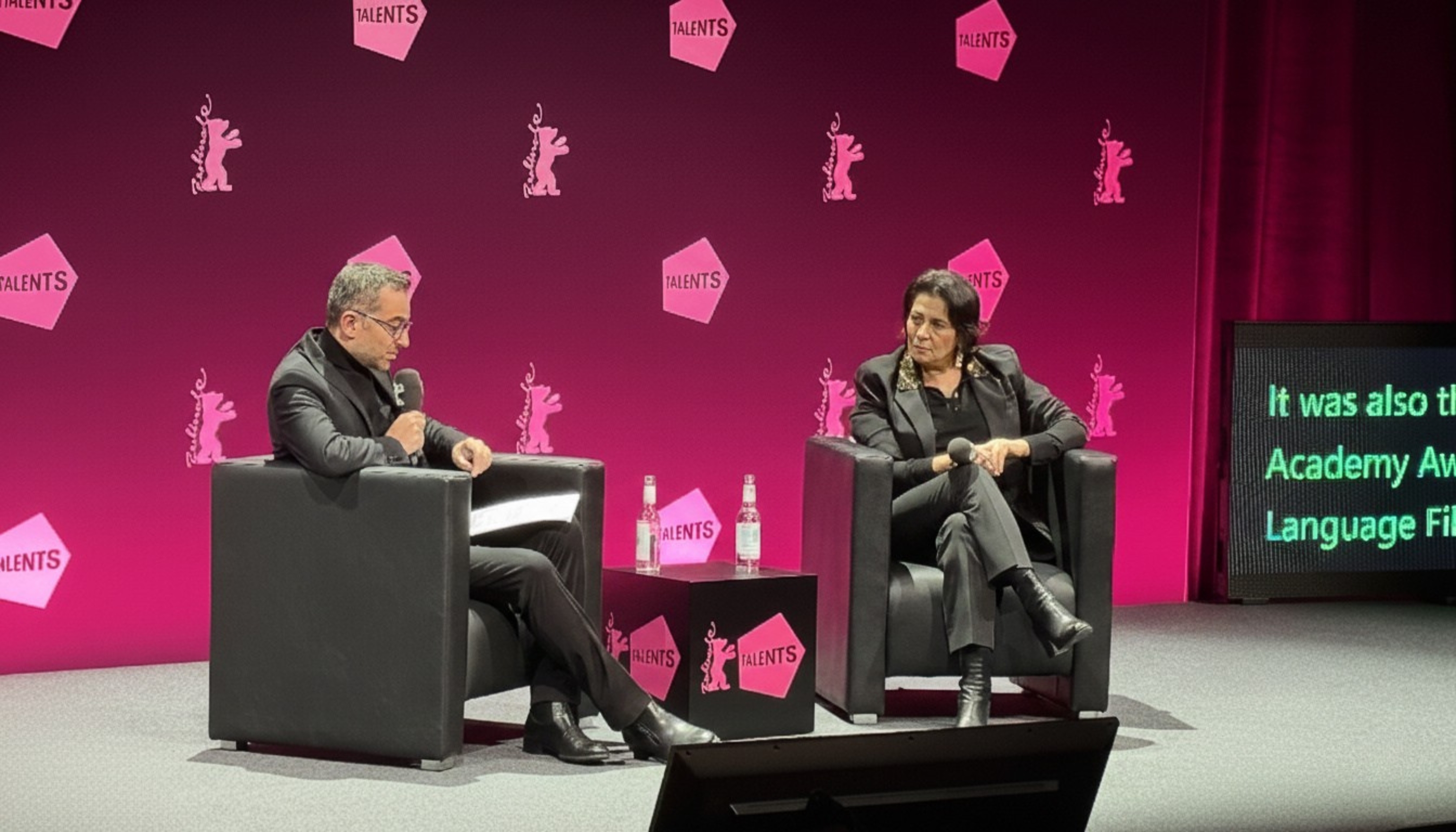
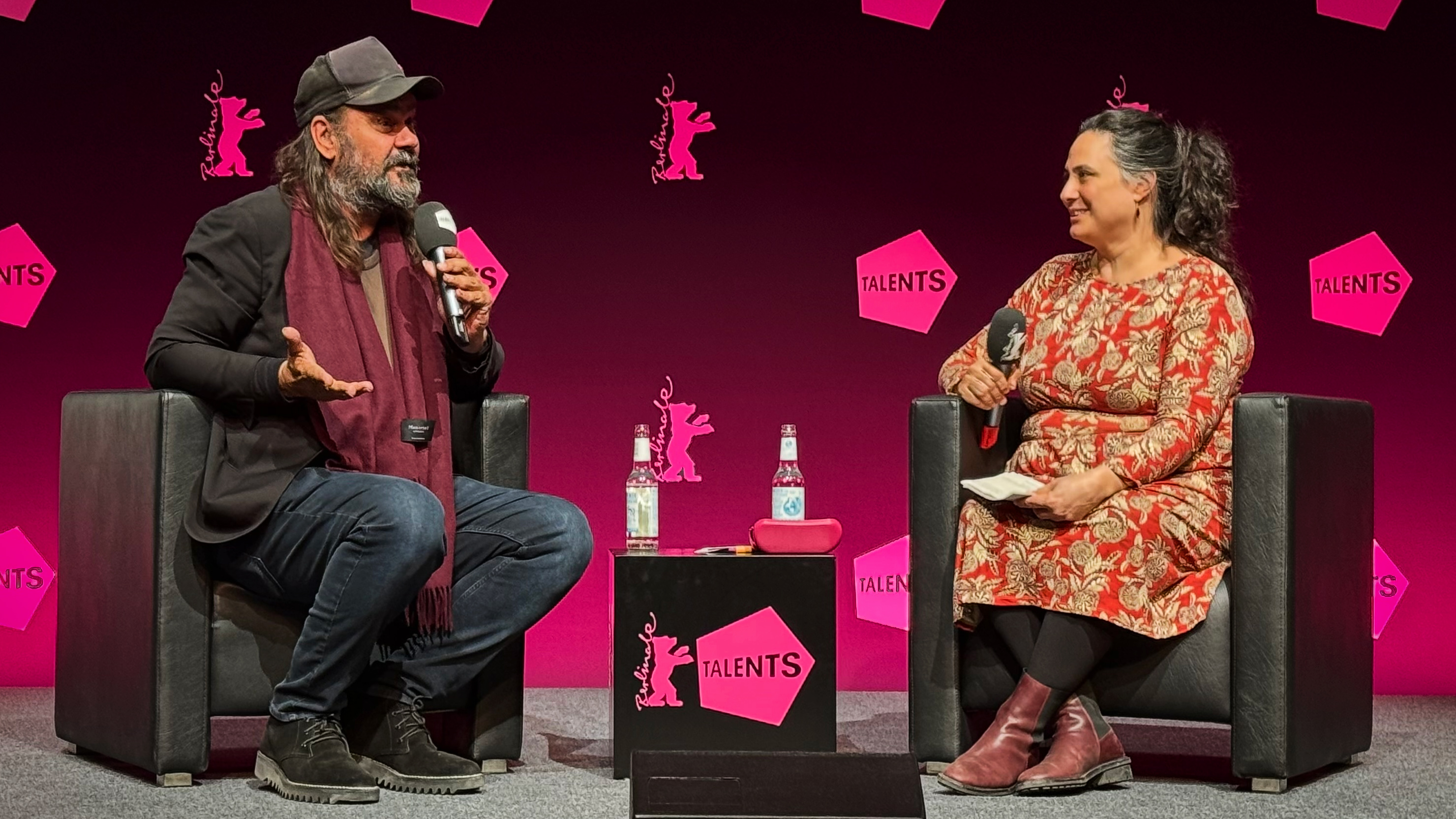
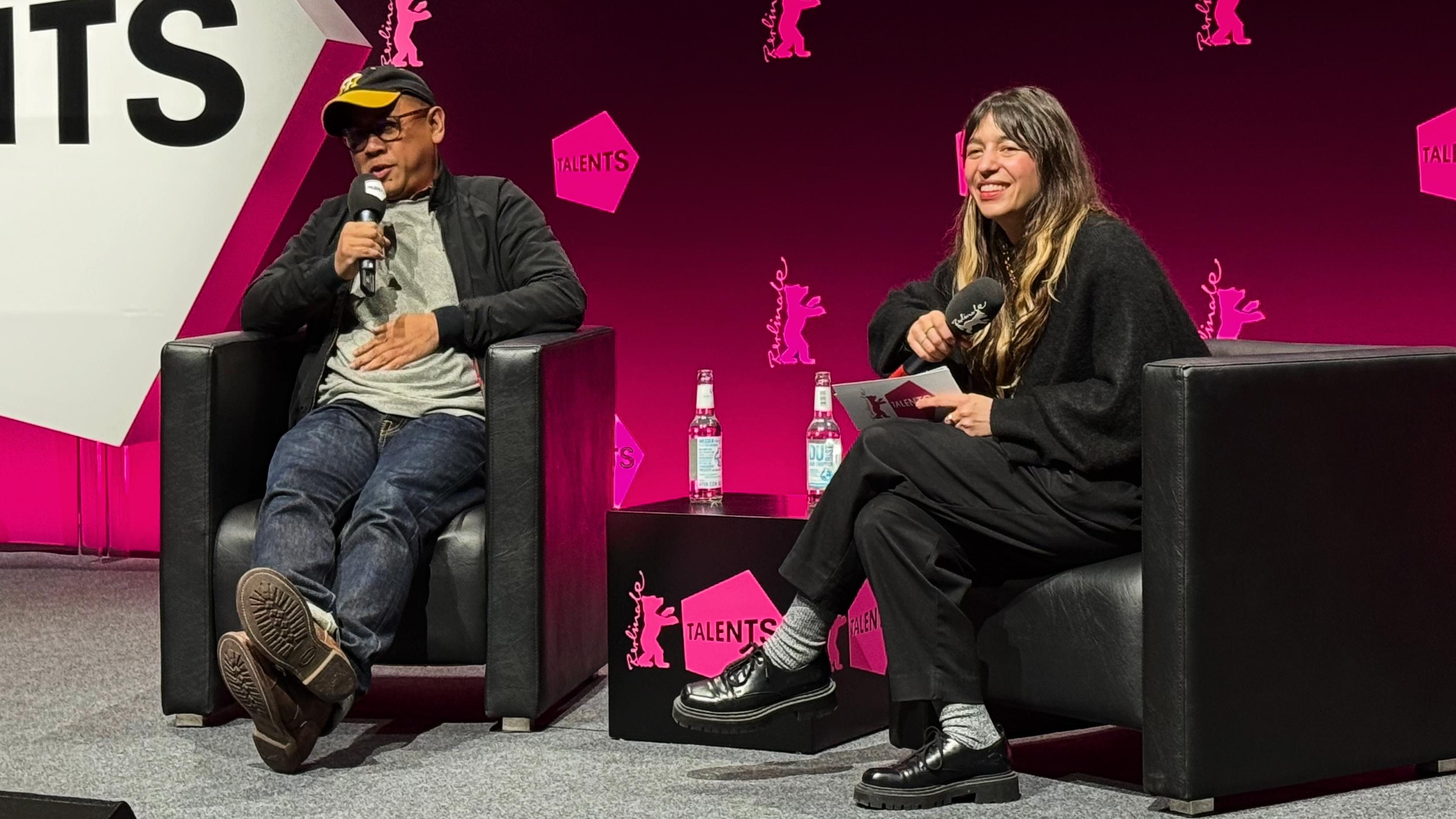
Teachers and students from FMK UCM in Trnava participated in the 76th Berlin International Film Festival, where they established contacts, discussed with filmmakers, and observed current trends in the film market.
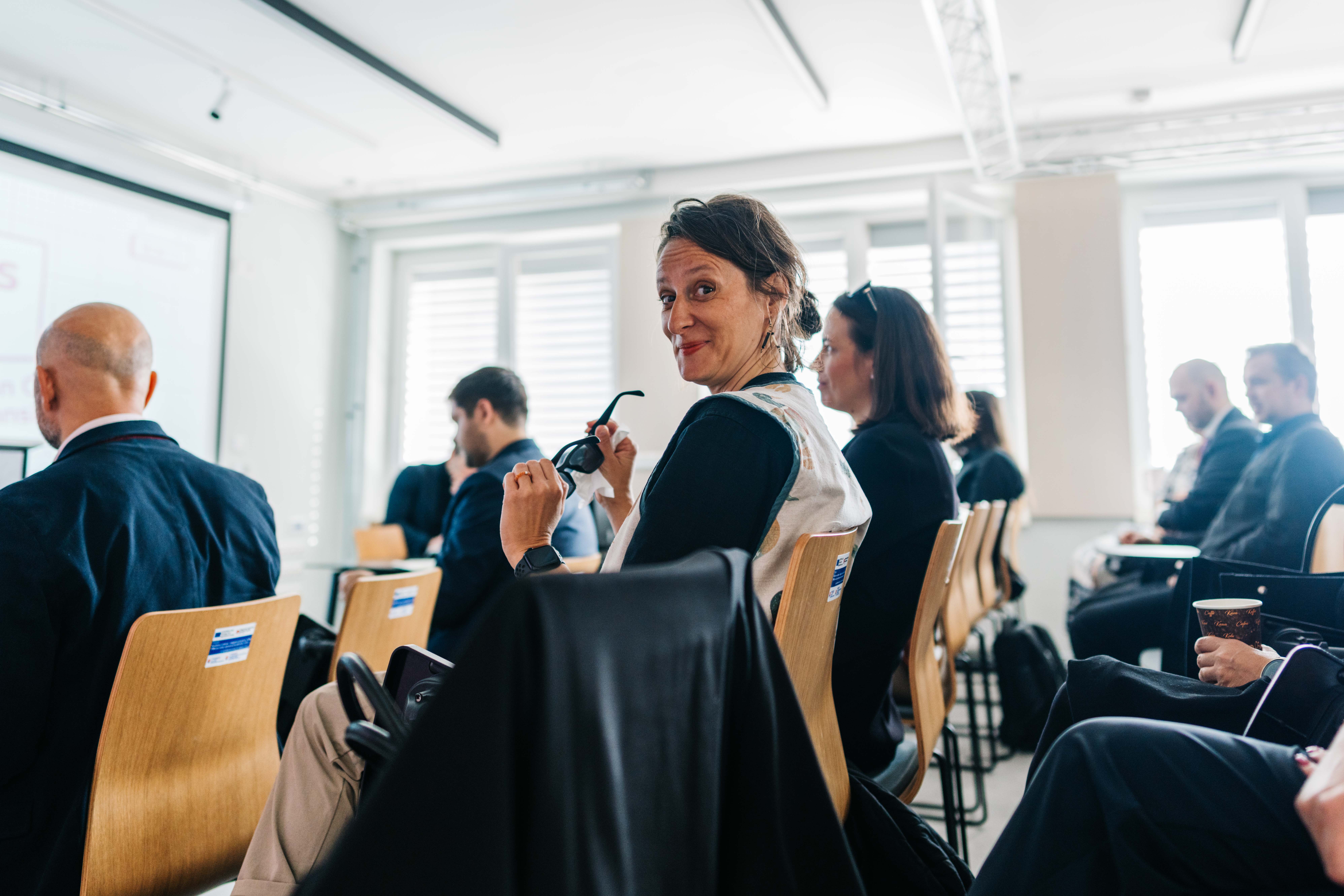
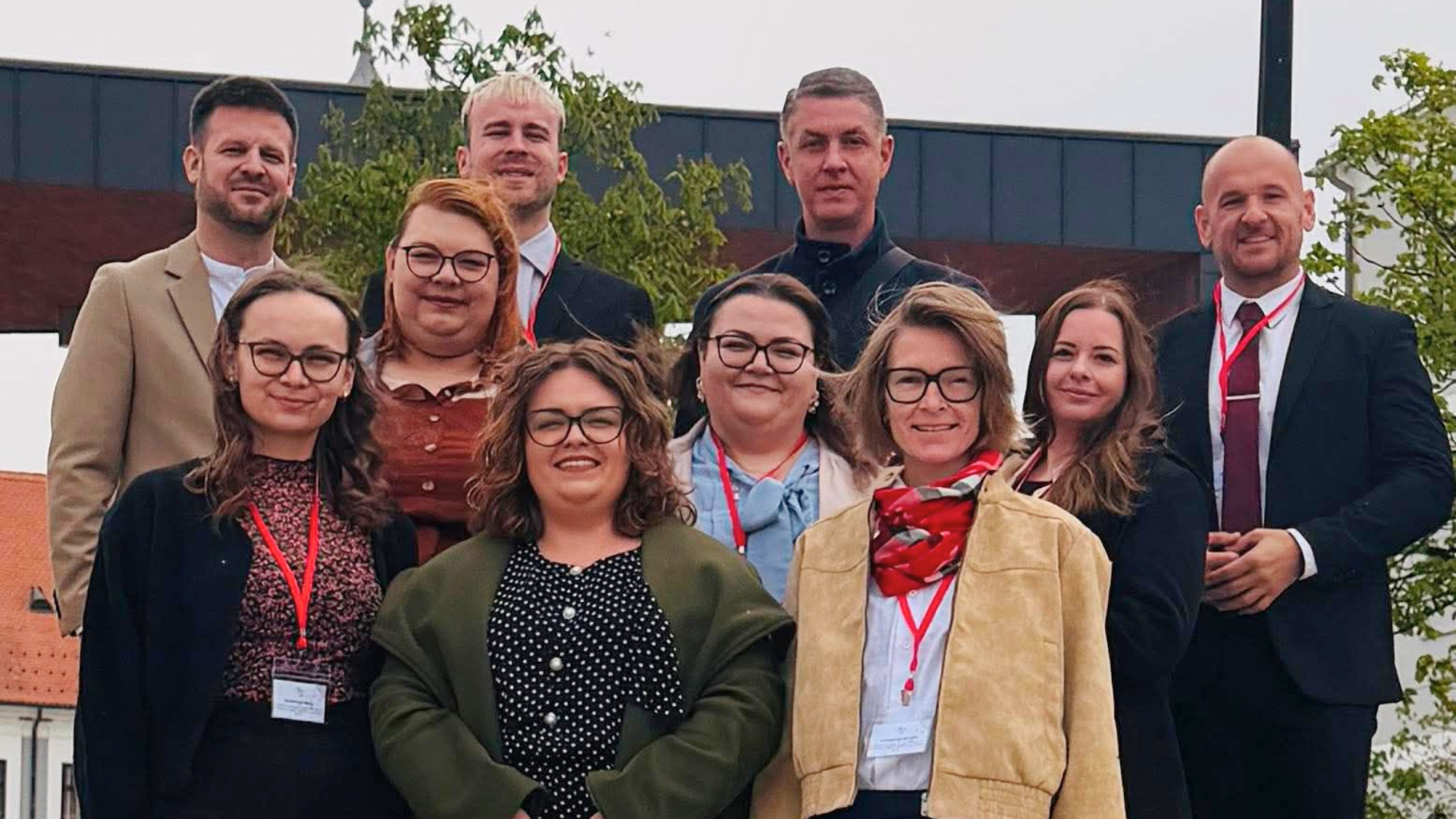
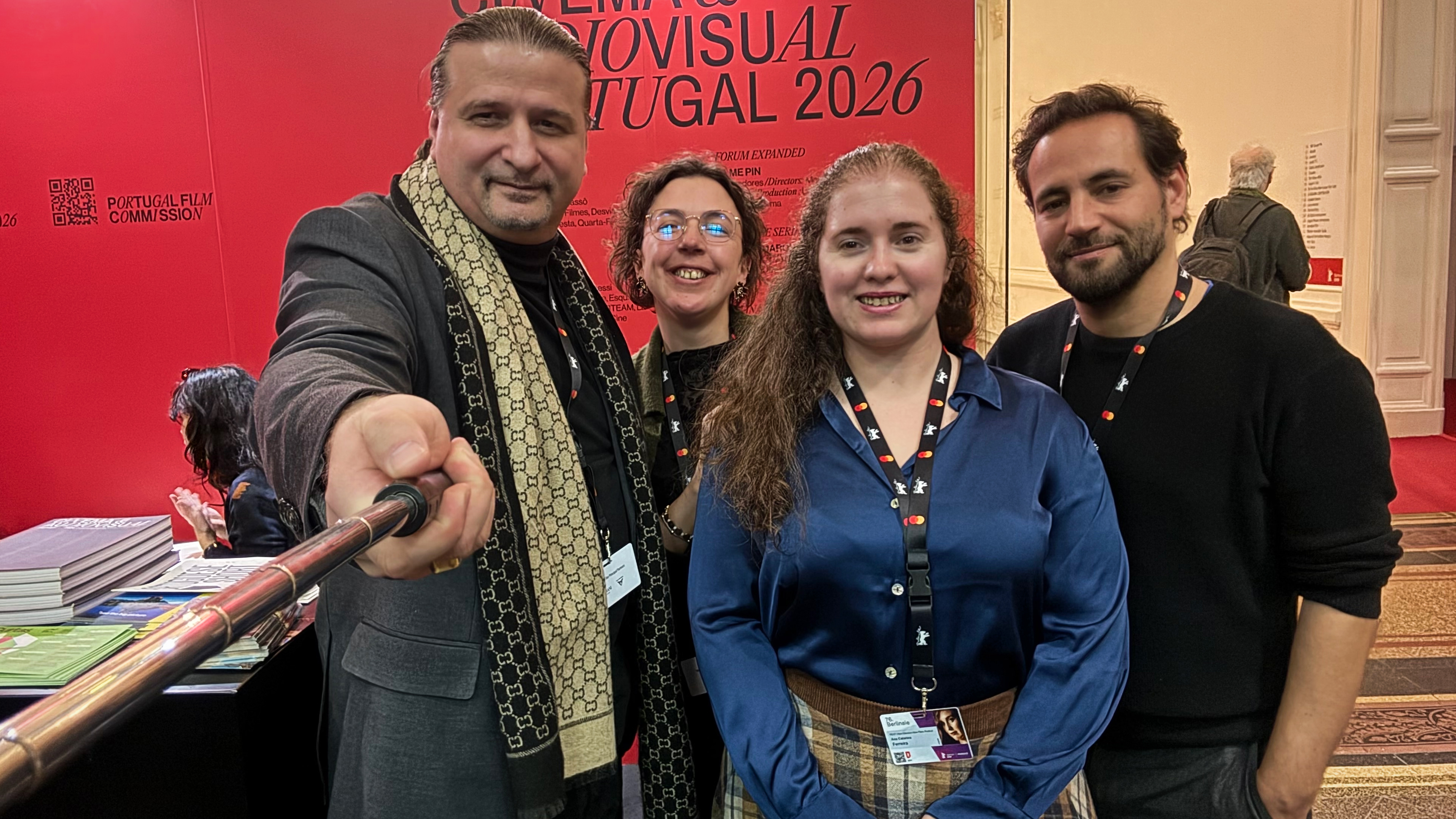
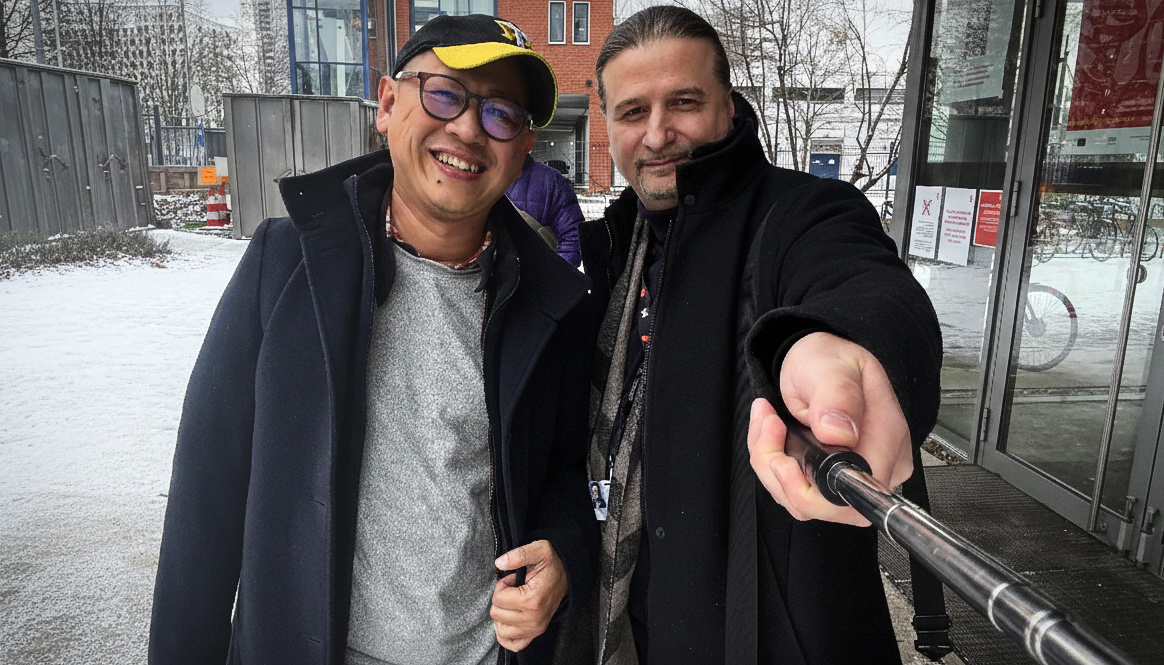
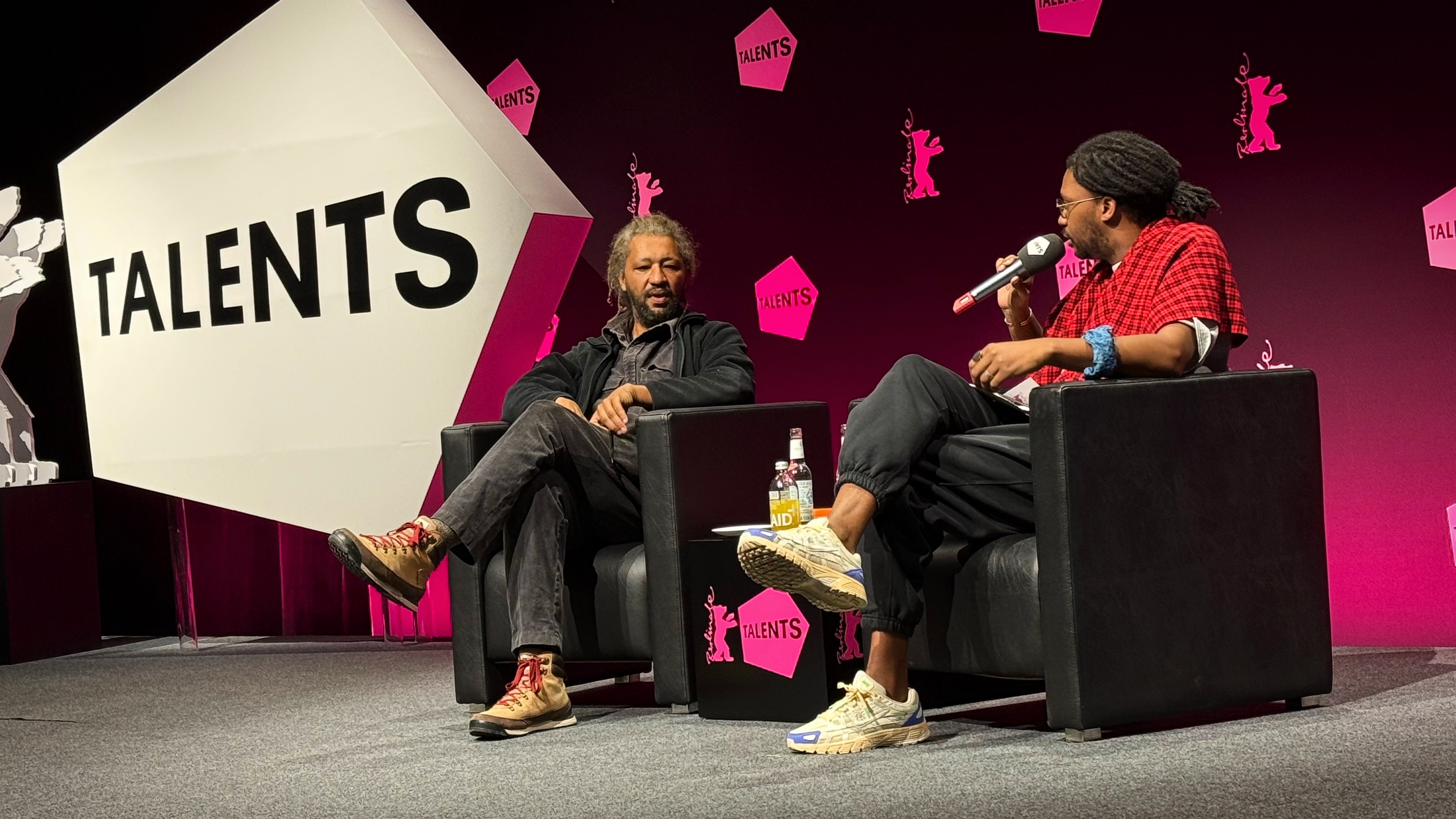
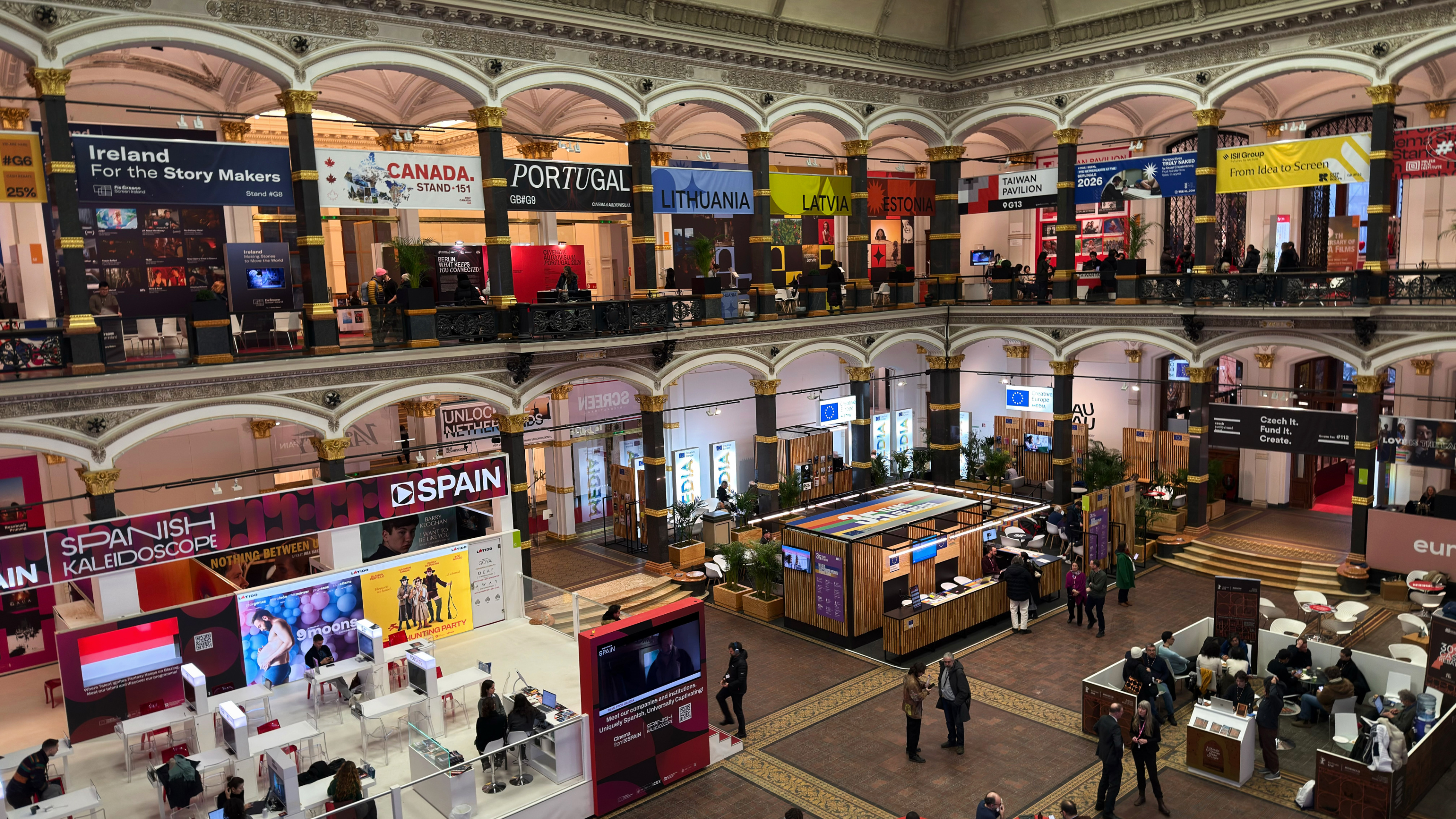
Dr. Zábojník, together with two students from FMK UCM in Trnava, attended one of the most prestigious film festivals in Europe. The 76th Berlin International Film Festival – also known as the Berlinale – took place from February 12 to 22, 2026.
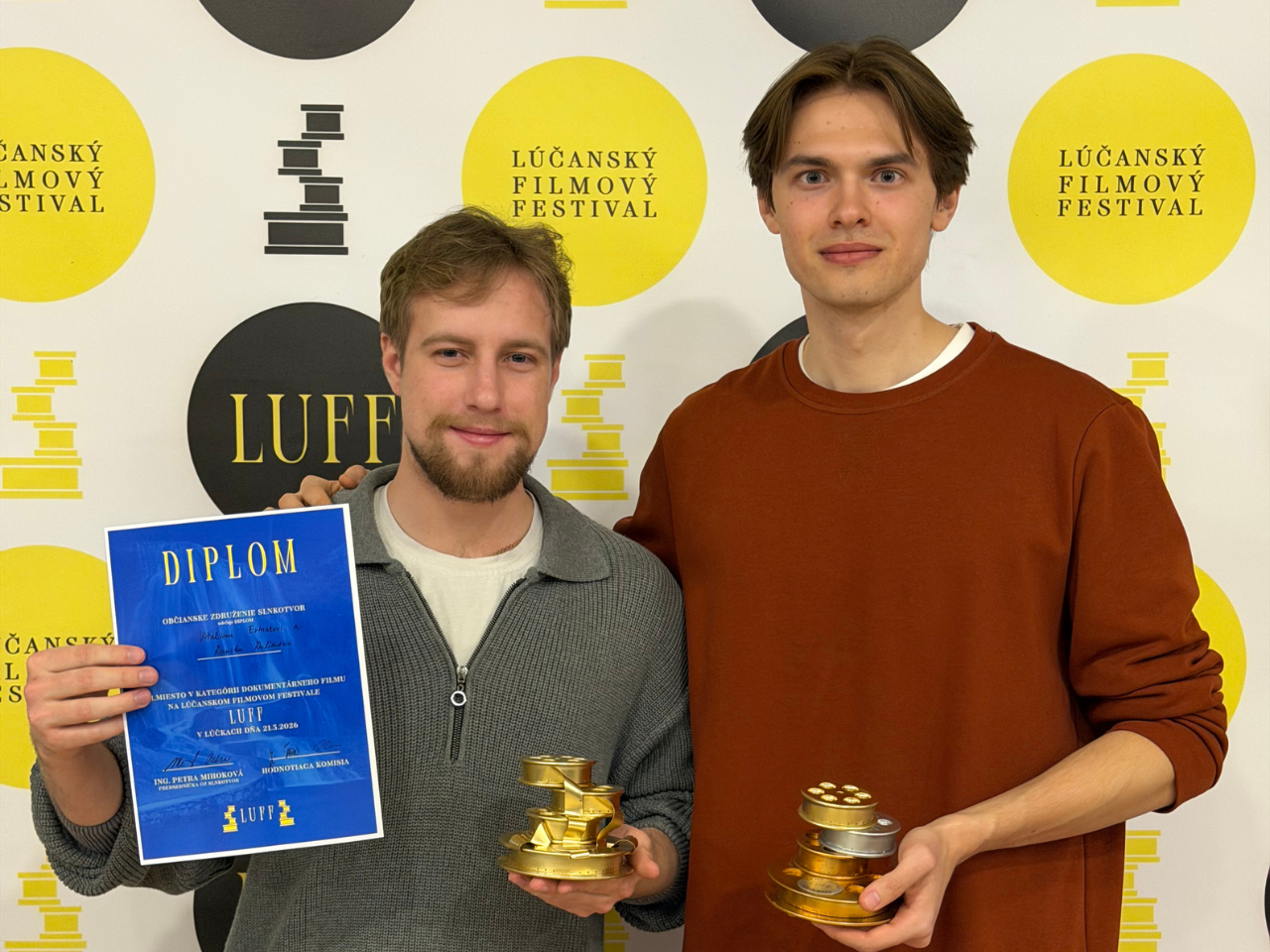
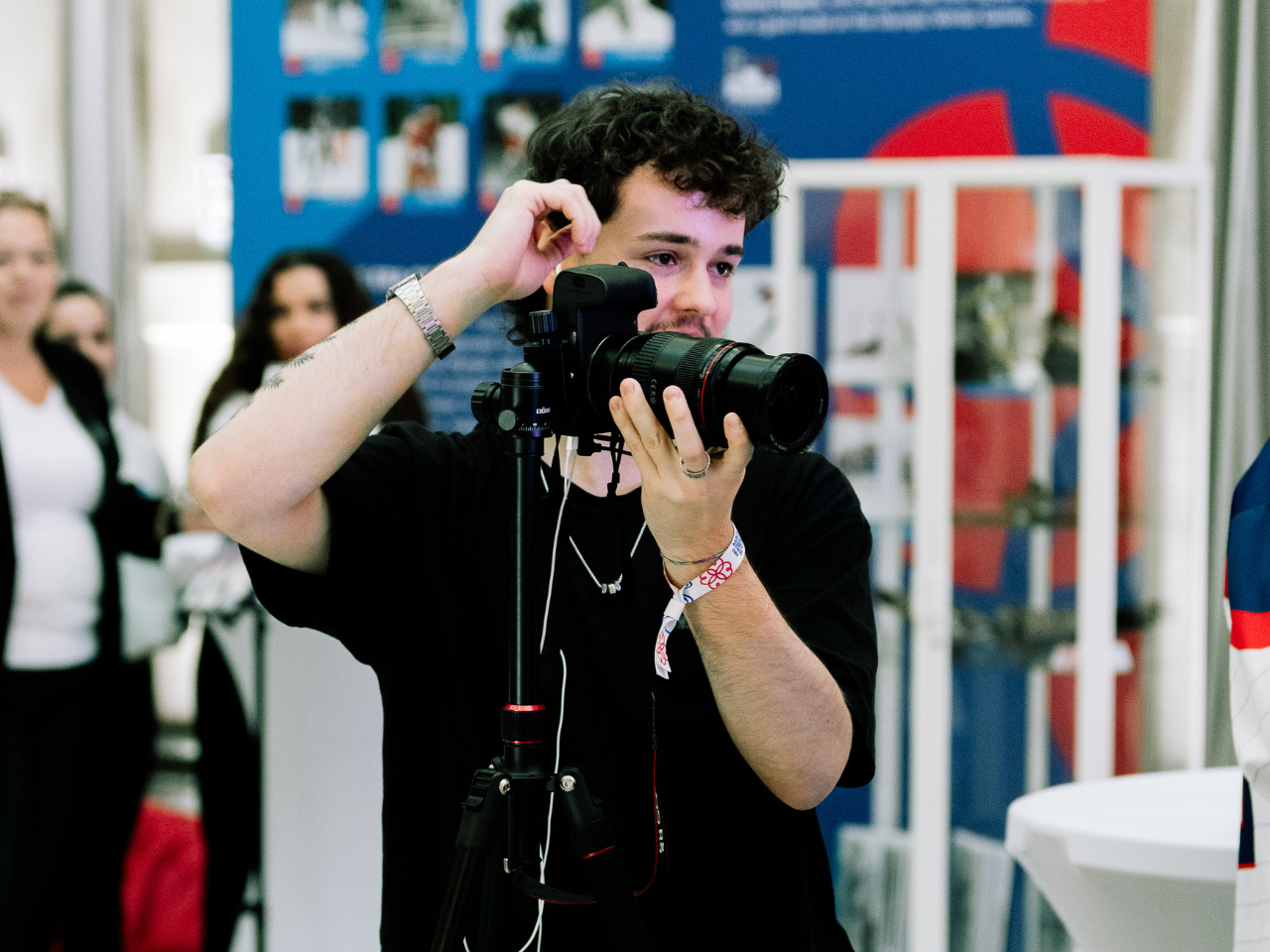
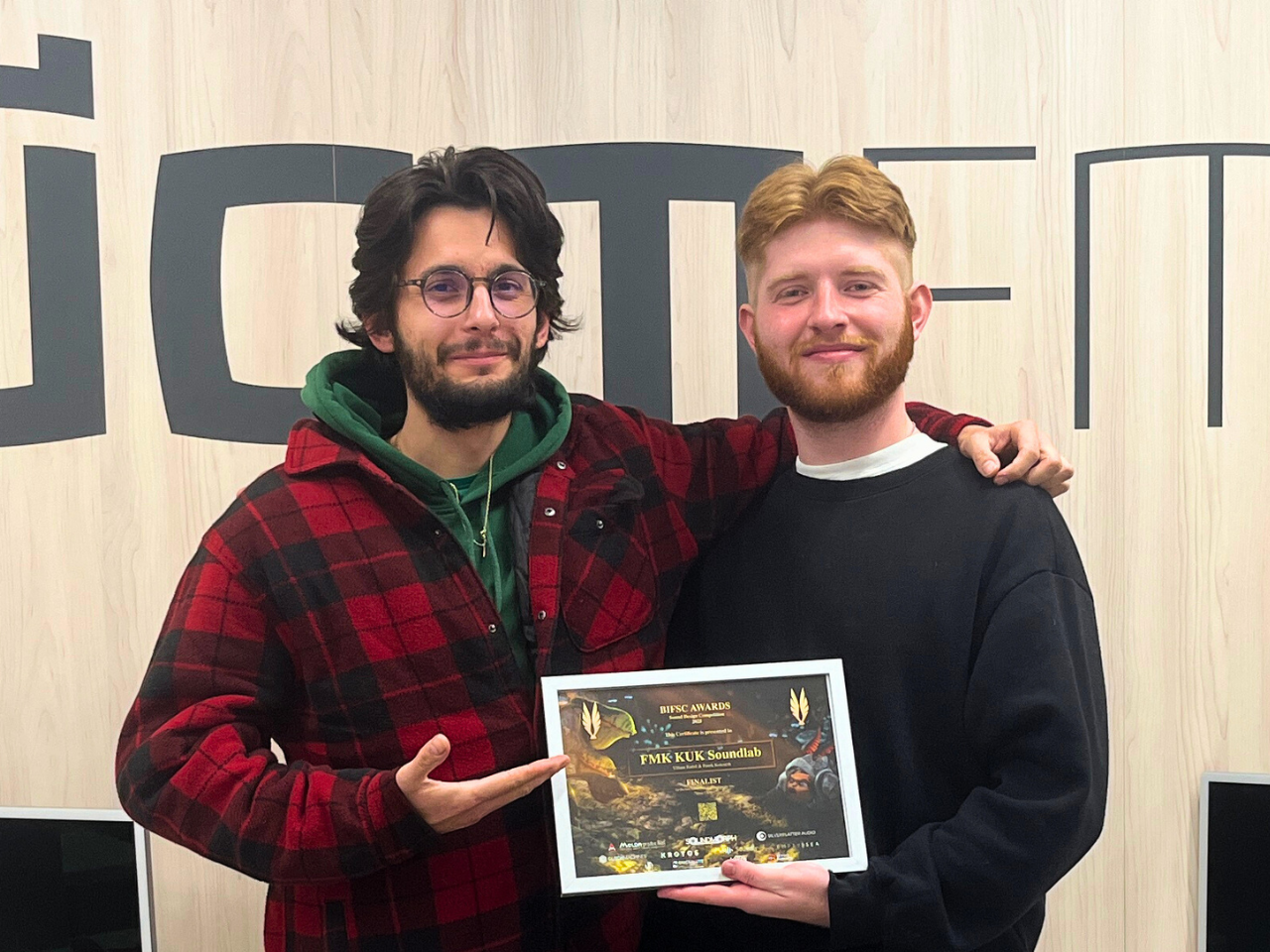
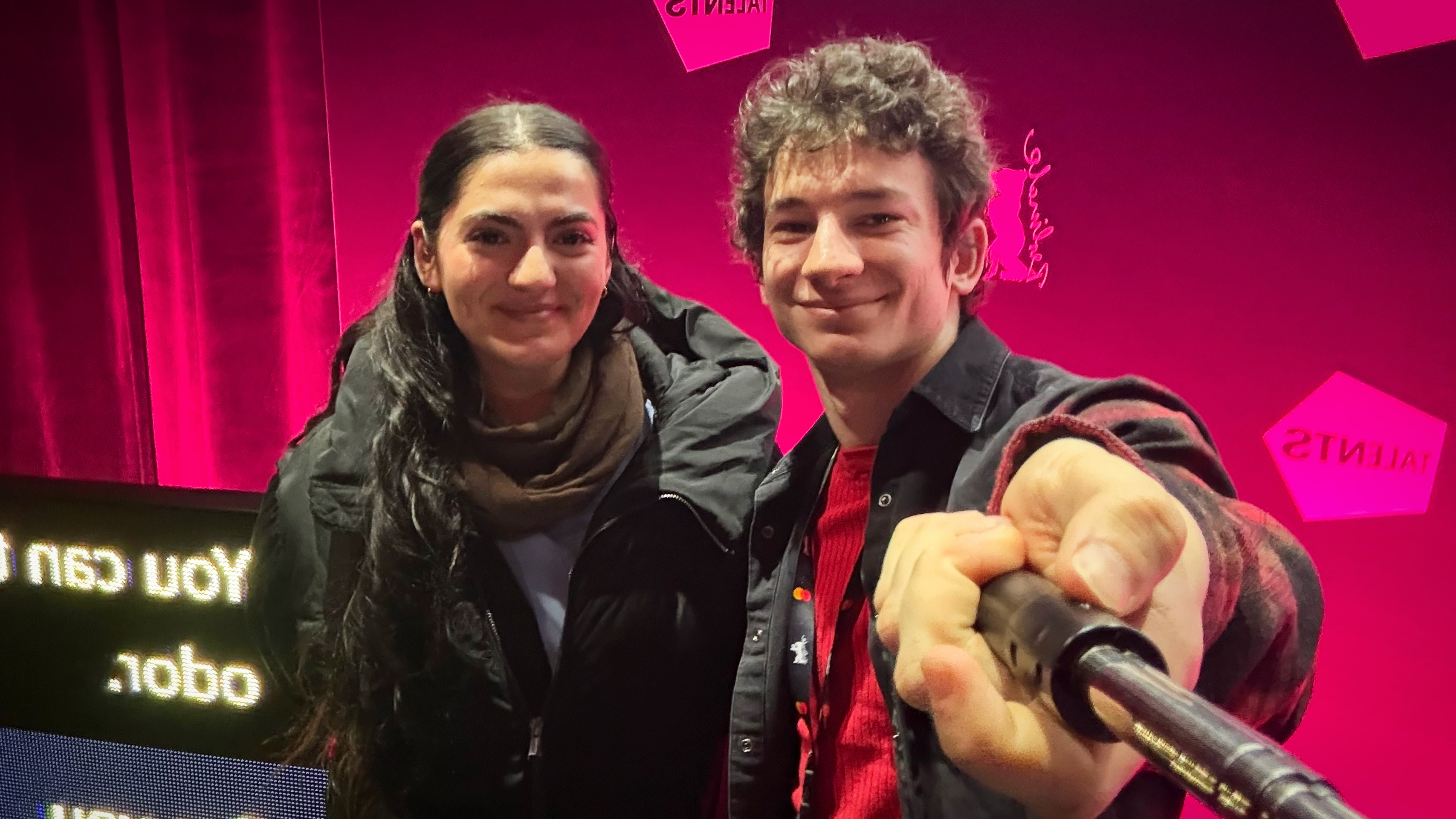
Students Goran Matejovič and Radoslav Meluš actively participated in professional discussions and built links between the academic environment and the media market. "I am delighted that FMK UCM in Trnava had both teaching staff and students represented at Berlinale 76," said Zábojník.
"We had the opportunity to discuss and get to know directors, screenwriters, and actors, both current and future," said student Radoslav. He admitted that he even managed to get a ticket to the sold-out premiere of the film from the author herself after contacting her.
"I realized how big (incomprehensibly huge) the world of production and film is. Countless crowds of students, professionals, and artists whom the mainstream has never heard of. At least I haven't. Their work and creativity are comparable and, in some cases, even better than that of well-known film and production companies," added Radoslav.
A total of 278 films from 80 countries
"This year's Berlinale has once again confirmed that the German capital is not only the venue for one of the most important film festivals in Europe, but above all a space for testing impulses for the film and media market. Berlin brings together artistic vision, cultural diplomacy, media pressure, and the question of how to set project strategies so that films reach their audience," said Dr. Zábojník.
This year's festival featured 278 films from 80 countries. "There are films about violence, injustice, memory, and survival, but also about art, love, and friendship," said festival director Tricia Tuttle on the Berlinale's official website. "The festival does not address global conflicts. However, it can create space for complexity, listening, and mutual humanization," she explained.
The Golden Bear grand prize went to Gelbe Briefe (Yellow Letters) by director İlker Çatak. "During the festival, critics described this drama as a chillingly universal story about how systematic pressure from state power deforms and destroys even the most intimate interpersonal relationships," explained Zábojník.
The Silver Bear (Grand Jury Prize) went to Kurtuluş (Salvation) by director Emin Alper, and the Silver Bear (Jury Prize) went to the British film Queen at Sea by director Lance Hammer.
"The award for best acting performance was deservedly won by Sandra Hüller for her captivating performance in the film Rose. The composition of the winners sent a clear signal: the Berlinale remains true to its DNA. It values socially sensitive and uncompromising themes, where the creators have not sacrificed the formal and aesthetic excellence of their work," said Zábojník.
Slovak films at the Berlinale
Slovak and Czech-Slovak films were also presented at the Berlinale Forum and Generation Kplus festival sections. Two titles had their world premiere in the official program: the creative documentary If Pigeons Turned to Gold (Keby sa holuby premenili na zlato) by director Pepa Lubojacki, which won the Berlinale Award for Best Documentary Film and the Caligari Film Award.
The second work was a short animation entitled En, ten, týky! by director Andrea Szelesová. It was included in the Generation Kplus competition section, in which the Berlinale specifically seeks out new creative approaches for young audiences.
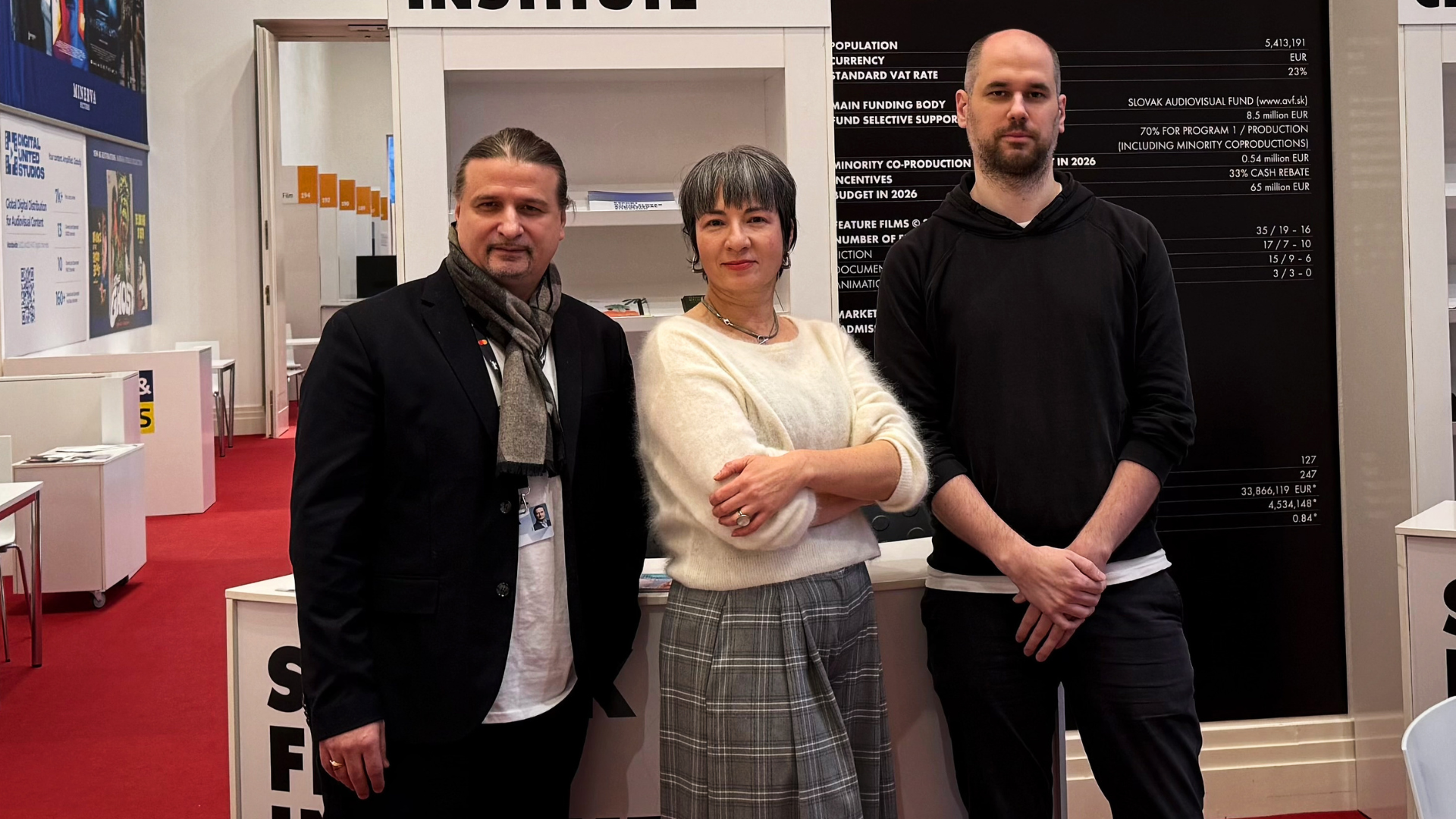
"Many thanks to the Slovak Film Institute for providing a platform that supports not only film professionals, but also the systematic linking of the academic segment with the international film market," said Zábojník.

Heightened political tensions
For decades, the Berlinale has cultivated an aura as the most politically engaged event of the so-called "big three" (Cannes, Venice, Berlin). This year, however, according to Zábojník, political topics reached a heightened intensity in the theaters and corridors.
"Surprisingly, this impetus for discussion was provided by the chairman of the main jury himself, the legend of German cinema, director Wim Wenders. His statement at the opening press conference that filmmakers should 'stay out of politics' sparked an immediate wave of discontent. At a time of extreme global polarization and ongoing military conflicts, this appeal was considered by many media outlets to be a naive anachronism," explained Zábojník.
As a result of further statements and reactions from individual representatives, festival director Tricia Tuttle had to balance the situation throughout the event—on the one hand, she defended freedom of expression and understood the frustration of the artistic community, while on the other hand, she tried to maintain a line beyond which this cultural platform would turn into a political rally.
Source of photos: Rastislav Zábojník



Mohlo by vás tiež zaujímať: